

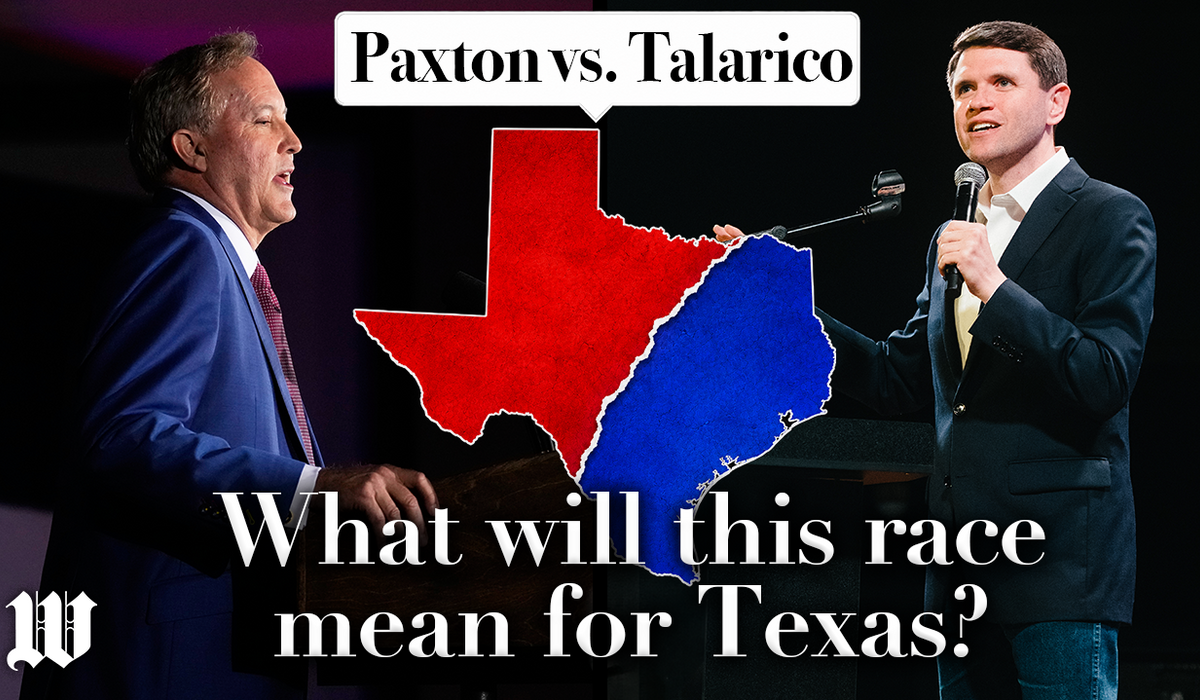
Ken Paxton just pulled off a Trump-endorsed victory in Texas. But the real story is what comes next.
Ken Paxton’s win, backed by a former president, is more than a single political headline. It signals how power and loyalty intersect inside the Republican party in Texas, where elections increasingly settle not just who governs but who shapes the party’s direction. Voters chose a candidate tied to a national figure, and that choice changes the political terrain for months to come.
The immediate effect will be on Paxton’s office and its priorities. As attorney general, Paxton controls a potent legal platform to challenge federal policy, defend state authority, and pursue conservative legal priorities. That kind of reach means the victory is consequential for issues like elections, immigration, and regulatory fights that matter to conservatives across the country.
Inside the state party, the win strengthens the faction that rallied around the endorsement and the message it represented. Endorsements from high-profile national figures move activists, donors, and media attention, and they can close primary gaps quickly. For grassroots organizers and county leaders, the result will recalibrate who gets support and which candidates receive the party’s backing in future races.
Paxton’s office will also be watched for how aggressively it uses litigation to shape policy. Courts have become a front line for policy disputes, and a combative attorney general can redefine outcomes for years. That strategy appeals to voters who want bold action rather than cautious compromises, and it will be measured against tangible results in courtrooms and legislative fight lines.
Fundraising dynamics will shift now that Paxton has the ticket and momentum. Donors who value results will likely increase support, while opponents will double down on legal and political attacks. The financial picture matters because sustained litigation and statewide campaigns are expensive, and victory or defeat often comes down to who keeps the lights on through long, drawn-out battles.
For Texas lawmakers, this outcome poses a test of cooperation versus rivalry. Some officials will welcome a strong partner in the attorney general’s office when it comes to resisting federal overreach. Others will be wary of an office that pursues headline cases that could complicate pragmatic governance or the state’s business climate. How those relationships evolve will shape policy on taxes, regulation, and public safety.
Opponents will not vanish; they will adapt. Democratic officials and independent groups will organize new legal challenges, target vulnerabilities, and push counter-narratives in the media and the courts. That pushback ensures the next phase is not a quiet consolidation but a competitive season of legal filings, legislative skirmishes, and campaign organizing.
The national implications are real because Texas sets precedents that other states follow. A successful, aggressive attorney general can inspire allied officials in other states to try similar tactics, amplifying local victories into a national strategy. For conservatives who want to see constitutional questions decided in ways that limit federal power and expand state prerogatives, this outcome is confirmation the approach has traction.
At the same time, governance will demand practical results, not just rhetoric. Texans will expect public safety, reliable courts, and clear legal standards that protect businesses and property rights. If Paxton’s office can translate a combative posture into concrete legal wins that improve everyday life, the victory will look durable. If not, political opponents will have fuel for the next cycle.
What comes next is a period of testing for leaders, institutions, and voters alike. The endorsement that helped secure the win now shares the stage with the responsibilities of office. How effectively the attorney general navigates courtrooms, manages political alliances, and delivers outcomes for Texans will determine whether this moment becomes a turning point or a temporary headline.

