

The World Health Organization said on Wednesday the risk of spread of the Ebola virus in Congo and Uganda is high at national and regional levels, but low at the global level. The assessment frames the immediate public health threat while pointing to significant cross-border concerns and the need for sustained local response. This article lays out what that reality looks like on the ground, how authorities are responding, and what challenges remain.
Local health teams have been racing to trace contacts, isolate cases, and offer vaccinations where possible. Clinics and treatment centers are under strain in areas with active transmission, and the pressure on lab services for rapid testing is intense. Community fear and misinformation are complicating case finding and safe care.
Surveillance networks are attempting to pick up new infections quickly, using both community reporting and facility-based screening. Where labs can confirm cases within days, public health responses are more effective at containing spread. But long transport times and limited lab capacity still cause delays in several districts.
Vaccination campaigns have been deployed to protect frontline workers and close contacts of confirmed cases, using vaccines licensed for emergency epidemic control. These ring vaccination efforts aim to stop chains of transmission and reduce the probability of larger outbreaks. Logistical hurdles, like cold chain requirements and access to remote villages, slow the pace of immunization.
Cross-border movement between Congo and Uganda raises the risk of wider regional spread, especially in border communities with daily market and family ties. Health teams on both sides are coordinating screening at official crossings, but unofficial routes remain a weak point. Regional cooperation on information sharing is improving but must be sustained.
Treatment centers are focused on supportive care and strict infection prevention measures to protect staff and other patients. Healthcare workers face exposure risks and psychological strain while managing high-acuity patients in difficult conditions. Ensuring enough personal protective equipment and trained staff is a persistent, urgent need.
Community engagement is critical and often undervalued in outbreak control, since trust drives whether people report symptoms or accept safe burials and care. Outreach teams are working with local leaders to counter rumors and explain why isolation and vaccination matter. When communities participate, response teams can move faster and achieve better outcomes.
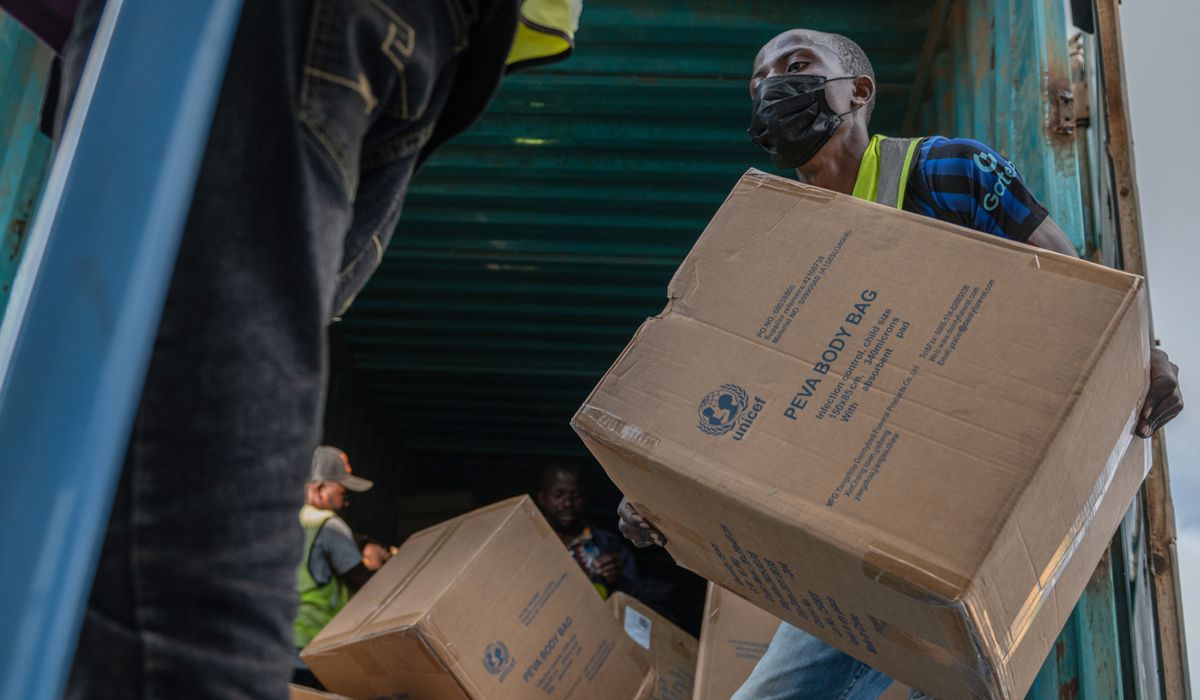
Logistics and supply chains are under continuous pressure, from transporting samples to delivering vaccines and protective gear. Rough terrain, seasonal rains, and security concerns can block access to affected villages for days at a time. When supplies do not arrive promptly, response operations falter and transmission can continue unchecked.
Data collection and transparency are helping guide where to focus resources, but reporting gaps remain in remote and conflict-affected zones. Real-time information on cases, contacts, and vaccination status improves decision-making and builds public confidence. Investments in digital reporting tools and lab networks remain a top priority.
International health partners are offering technical support, supplies, and training, while national authorities lead the response on the ground. That mix of local leadership and external assistance has been the model for recent outbreak responses. The goal is always to strengthen local systems so they can manage future events more independently.
Travel restrictions are typically limited and targeted, with advice focusing on precautions rather than blanket bans that can disrupt aid and trade. Screening at points of entry aims to identify symptomatic travelers while preserving movement for essential services. Broad travel prohibitions are generally avoided because they rarely stop spread and often harm local economies.
Research on therapeutics and vaccines continues alongside the emergency response, informing treatment protocols and prevention strategies. New data on vaccine effectiveness and the role of antiviral treatments are closely watched by clinicians and public health planners. Clinical trials and observational studies in outbreak settings provide critical, real-world evidence.
Preparedness measures in neighboring countries include stockpiling supplies, training rapid response teams, and setting up surge labs to speed diagnosis if cases appear. Those steps reduce the odds of regional escalation by enabling quicker, more capable reactions at the first sign of cross-border transmission. Long-term investments in health systems will matter most for sustained resilience.
Financial and political support will determine how quickly response efforts can scale and persist until transmission stops. Funding shortfalls force difficult choices about where to send vaccines, staff, and lab capacity. Clear, timely decision-making backed by resources is the difference between a small, contained event and a protracted outbreak.
At the individual level, simple behaviors still make a difference: report symptoms early, follow health worker guidance, and avoid handling sick people or their remains without proper protection. Those actions save lives and blunt the outbreak’s momentum. Maintaining vigilance in affected communities and among health workers is essential for breaking chains of transmission.

