

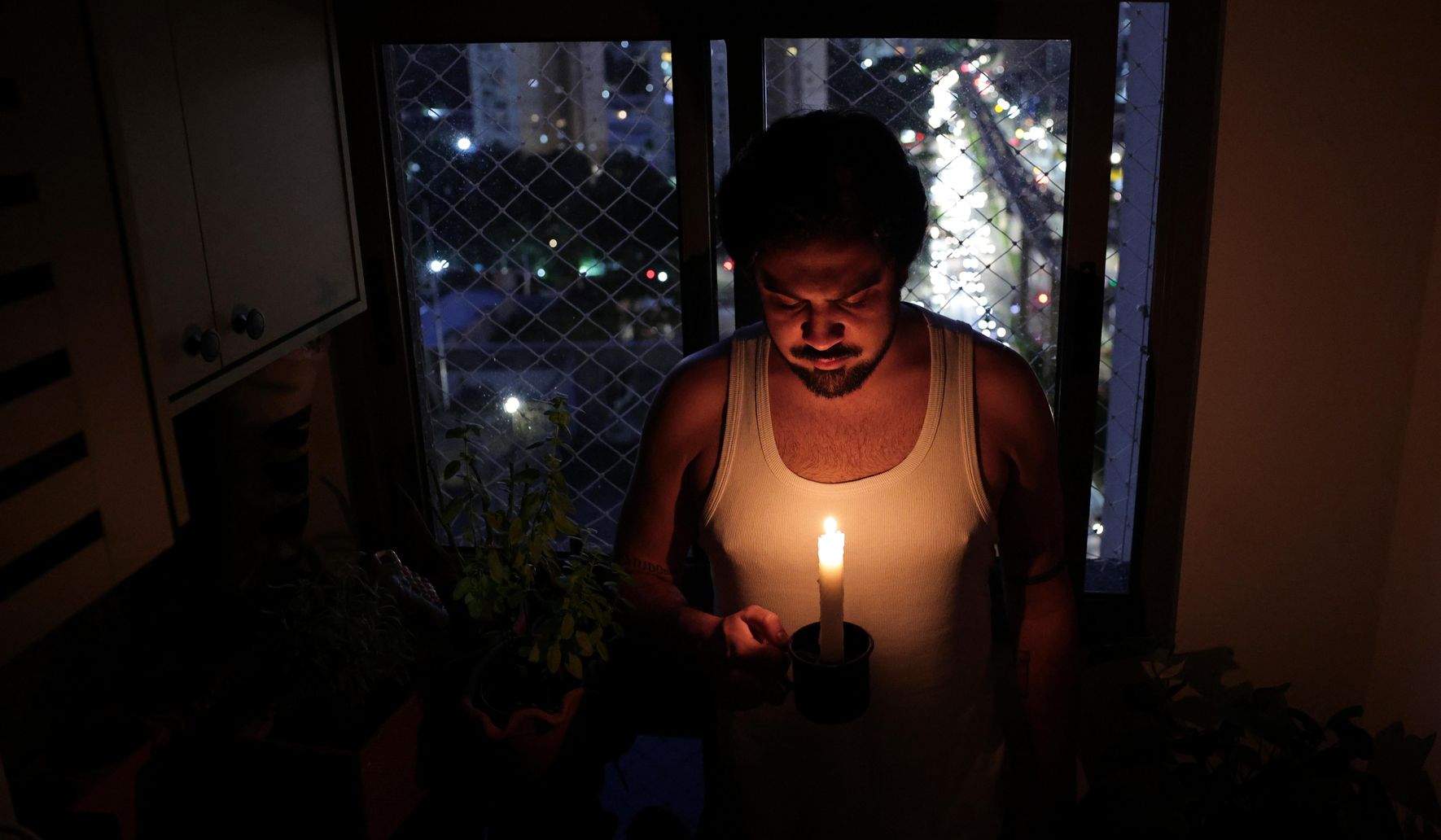
More than 1.3 million Sao Paulo residents remained without electricity late Thursday after strong winds caused trees to fall onto the Brazilian metropolis’ grid.
The city woke up to a major utility disruption after a powerful wind event sent trees and branches smashing into power lines across multiple neighborhoods. Crews were stretched thin dealing with downed feeders, snapped poles and blocked streets, and many residents found themselves without lights or hot water late into the night. Utility operators identified widespread vegetation contact with infrastructure as the core issue, complicating safe restoration work.
Traffic in several districts slowed to a crawl when traffic signals failed, forcing drivers and pedestrians to navigate intersections under manual control. Public transportation felt the ripple effects as some commuter lines experienced delays from signal and power interruptions. Hospitals and clinics switched on backup generators where they could, but smaller health centers reported tighter margins for operations and refrigeration.
Restoration teams prioritized critical facilities first, then moved to densely populated residential feeders while assessing damage to substations and transformers. The presence of fallen trees made many sites unsafe until arborists cleared the area and lines could be de-energized for repairs. That coordination added hours to what might otherwise be routine line swaps or transformer replacements.
Residents described a mix of frustration and resignation as they coped with the outage, relying on battery backups, portable chargers and neighborhood hubs to stay connected. In apartment towers, elevators stalled and building managers had to organize stair use and elevator restarts once power returned. Local businesses faced lost refrigeration time and interrupted sales during a busy weekday.
City officials urged people to avoid downed lines and to report sparks, smoke or audible arcing immediately to emergency numbers. Crews emphasized patience and safety, saying rushed attempts to restore live lines amid fallen trees could put workers and the public at risk. Inspectors ran preliminary checks to determine which circuits could be re-energized quickly and which would need more extensive replacement.
Utility companies leaned on mutual-aid agreements to bring in specialized crews from neighboring regions to help with tree removal and line reconstruction. That outside support proved essential where multiple feeders were damaged in the same corridor and local crews were already committed elsewhere. Logistics teams coordinated spare transformers, insulating materials and replacement poles to speed the work.
Weather forecasts remained an important factor in the restoration timeline, since lingering gusts or new storms can send weakened trees toppling onto repaired lines. Forecasters warned residents to expect variable conditions over the next 24 to 48 hours, potentially slowing full recovery efforts. The possibility of additional outages meant planners kept contingency crews on standby.
Beyond the immediate physical damage, the outage highlighted vulnerabilities in aging distribution networks and the need for proactive vegetation management in dense urban canopies. City planners and utilities will likely review trimming schedules and equipment hardening strategies to reduce future risk. For many neighborhoods, the event underscored how intertwined power, transportation and emergency services are in a modern metropolis.
Community groups and volunteers mobilized to help elderly and vulnerable neighbors, delivering essentials and checking on anyone who might be at risk without electricity. Pop-up charging stations appeared in public spaces where generators were available, and some supermarkets opened emergency aisles for staples. Local nonprofits coordinated with authorities to make sure shelters had power and supplies where needed.
Insurance providers began processing claims for storm-related losses, and businesses started tallying the immediate economic impact of an extended blackout. While some operations could switch to manual procedures or portable power, others faced perishable inventory losses and disrupted service delivery. The full scope of damage and economic cost will emerge as repair teams finish assessments and daylight reveals the worst-hit areas.
As repair work continued into the following day, officials reminded residents of basic safety steps: stay clear of downed trees and wires, report outages through official channels, and conserve power where possible once service returns. The combination of rapid response and careful safety procedures aimed to restore reliable service without introducing new hazards. For many households, the focus shifted to recovery and the small, practical steps of getting back to normal life.

