

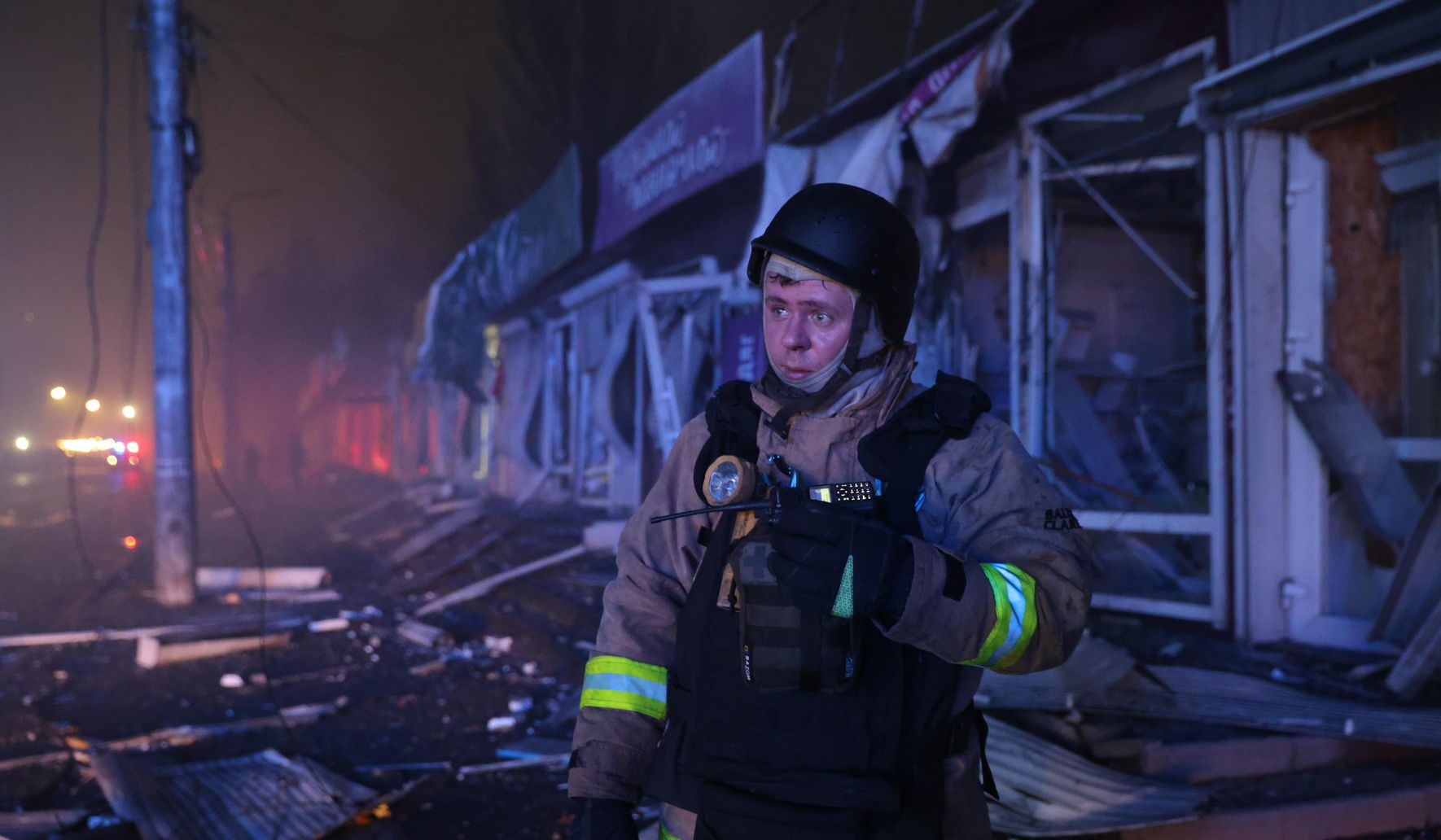
Ukraine stands at a critical turning point in its nearly four-year fight after Russia’s full-scale invasion, and President Volodymyr Zelenskyy told Ukrainians in a national address Friday that the country faces a hard choice about how to proceed.
This moment tests not just battlefield strength but political will on both sides of the Atlantic. The options are stark and consequential: push for decisive military advances, negotiate under pressure, or settle into a longer, grinding conflict. Each path carries heavy costs and uncertain outcomes.
On the ground, the fighting has hardened into attrition where logistics and ammunition matter as much as bravado. Ukraine’s forces have shown resilience and tactical skill, but sustaining offensive operations requires steady supplies of precision munitions, air defenses, and trained personnel. That reality makes the international support apparatus the decisive factor more than ever.
From a Republican viewpoint, supporting Ukraine is a strategic investment in deterring further aggression and protecting American interests. That support should be firm and focused: weapons that change the battlefield, clear timelines for deliveries, and measurable accountability for how aid is used. Vague promises and open-ended commitments don’t build confidence at home or abroad.
Congressional scrutiny is healthy politics and should push for better burden-sharing with NATO partners and stricter oversight at home. Allies must pay their share and step up procurement so the United States is not left carrying the load alone. Transparent reporting and outcome-based benchmarks will keep public support durable and justified.
Sanctions remain a blunt but useful instrument if they are comprehensive and enforced consistently. Targeting Russia’s ability to finance its war machine requires cutting off revenue streams, enforcing secondary sanctions, and preventing sanctions evasion. At the same time policymakers must shore up global energy markets to avoid punishing allies and voters.
Diplomacy still has a role, but it cannot substitute for strength. Negotiations without leverage typically reward the aggressor and punish the defender. Any talks that happen should be timed from a position of strength, with Ukraine’s sovereignty and territorial integrity as nonnegotiable pillars.
Domestic politics in the United States complicate the picture, and Republicans should be clear-eyed about that. Voters want results and they want accountability for taxpayer dollars. Framing aid as investment in American security, industrial resilience, and jobs can bridge partisan divides when the program is transparent and tied to clear objectives.
Defense production and stockpiles must be rebuilt to sustain a protracted support effort without hollowing out U.S. readiness. That means ramping up munitions manufacturing, strengthening supply chains, and investing in training pipelines so partner forces can use advanced systems effectively. Long-term planning beats short-term handouts when the aim is lasting deterrence.
Ukraine’s choice will shape Europe’s security architecture for a generation, and how the West responds will send signals to other challengers. A failure to match words with durable resources risks emboldening revisionist states elsewhere. The clearer and firmer the response, the better the chance of deterring future aggression.
For Ukrainians making that hard choice, the costs are immediate and grave, from lost lives to displaced communities. For partners, the calculation is different but no less real: standing by principle and interest may require patience and investment. Strategic clarity, solid logistics, and disciplined political oversight will be the yardsticks by which history judges this moment.

