

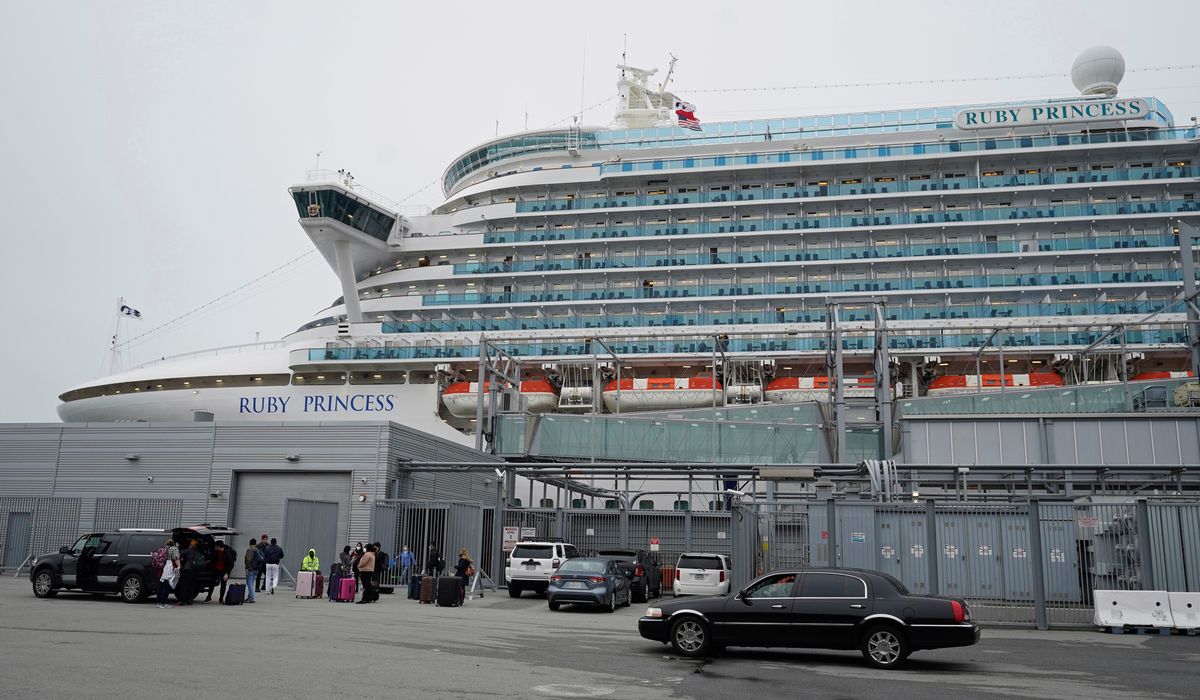
More than 120 people fell ill on a Princess Cruises voyage that ended in San Francisco, prompting public health follow-up and on-board containment steps.
More than 120 passengers and crew members on a Princess Cruises ship that docked in San Francisco on Thursday were infected with a stomach virus while on their voyage, federal health officials said. The outbreak was reported after the ship returned to port and prompted immediate attention from health authorities. Passengers described disrupted plans and heightened cleaning activity during the disembarkation process. The situation is being handled under standard public health procedures for maritime outbreaks.
Stomach viruses on ships are most often viral gastroenteritis, and they spread easily in close quarters. Symptoms commonly include nausea, vomiting, diarrhea, and stomach cramps, though severity varies from person to person. Cruise lines and health agencies focus on quick isolation of sick passengers, meticulous sanitation, and communication with local and federal officials to limit further spread. These measures aim to protect travelers and crew without causing unnecessary alarm.
Cruise operators typically follow a set of well-defined steps when illnesses arise during a voyage. Medical staff evaluate and separate affected individuals, increase cleaning frequency in public and private areas, and use disinfectants effective against common viral agents. Food service and shared facilities receive special attention because contaminated surfaces or hands are common transmission routes. That layered response helps reduce new cases while the ship is in port or between calls.
Ports and federal agencies play a role once a ship docks and an outbreak is reported. Investigators may interview crew and passengers, review medical logs, and examine sanitation records to determine scope and cause. Reporting requirements are in place so that public health risks get identified and handled quickly. Coordination between the cruise line and health authorities makes it easier to implement containment steps and track any cases after disembarkation.
Passengers advised to take basic precautions can lower their personal risk and limit spread to others. Regular hand washing with soap and water is one of the most effective steps, especially before eating and after using restrooms. Staying away from common food service areas if ill and notifying ship medical staff at the first sign of symptoms helps protect fellow travelers. These simple actions complement the ship’s response and reduce the burden on onboard medical teams.
Cruise travel inherently involves many shared spaces where illnesses can pass from person to person, so preparedness matters on both individual and operational levels. Crew training in infection control and established cleaning protocols are central to reducing transmission on board. When outbreaks occur, transparency from the operator about steps being taken and guidance for passengers helps maintain safety and trust. Clear communication also supports public health follow-up after passengers leave the ship.
Public health follow-up after disembarkation can include advising passengers who were exposed to monitor symptoms and seek care if needed. Health officials may recommend that anyone who becomes ill within a certain time frame after travel inform local providers about their recent cruise. This helps clinicians identify possible links and report cases as appropriate for broader surveillance. Timely reporting protects both the individual and the wider community.
For future sailings, cruise lines typically review protocols and may adjust cleaning schedules, medical screening, or passenger notifications based on lessons learned. These operational changes are aimed at preventing similar outbreaks and ensuring that rapid response systems are effective. Travelers can look for evidence of strong health measures when choosing a line or itinerary and consider timing travel to reduce the chance of exposure. Staying informed about health advisories and following on-board guidance remains the best immediate defense for passengers and crew alike.

