

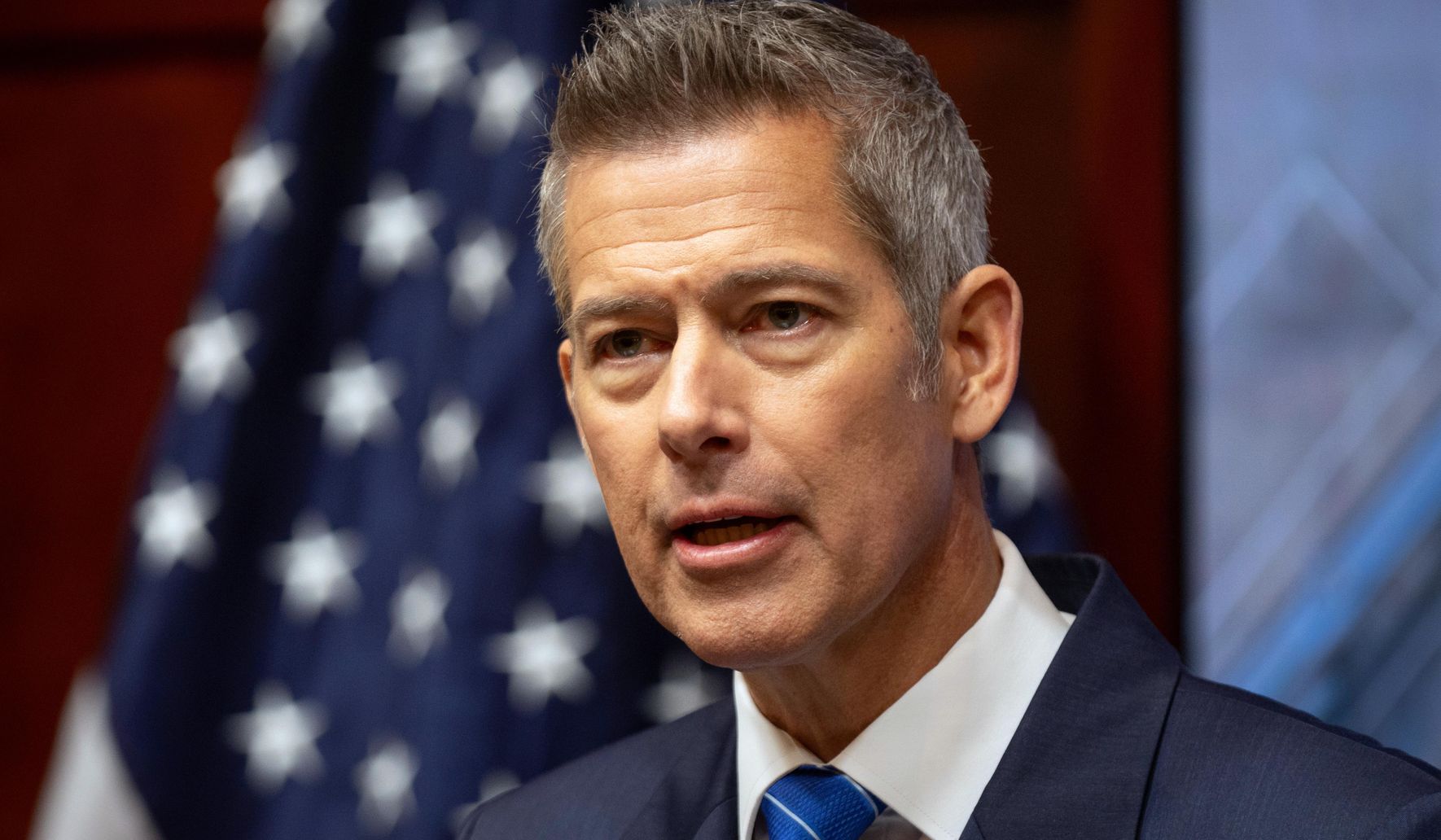
Sixteen states and the District of Columbia are suing President Donald Trump’s administration for what they say is the unlawful withholding of over $2 billion dollars in funding for two electric
Sixteen states and the District of Columbia are suing President Donald Trump’s administration for what they say is the unlawful withholding of over $2 billion dollars in funding for two electric. That sentence, lifted from the original report, lands at the center of a dispute about executive control over federal dollars and how much deference courts should give to an administration’s budget choices. The lawsuit opens a test of federal authority, statutory text, and the priorities that guide Washington spending. Expect a sharp legal fight about who decides when money should move and when it should wait.
The states argue they are entitled to those funds as a matter of law and that withholding them disrupts planned projects and local budgets. From a Republican perspective, the move by the administration can be read as an attempt to apply oversight and insist on compliance before funds are dispersed. The executive branch has long claimed discretion to pause payments when there are questions about eligibility, scope, or proper use. That discretion is not a concession of lawlessness; it’s a recognition that billions in federal spending deserve scrutiny.
Legally, the case will hinge on statutory interpretation and the separation of powers. Plaintiffs will point to specific appropriation language and claim the executive exceeded its authority by declining to honor Congress’s funding decisions. The Trump administration will counter that statutory language allows reasonable administrative review and that the president has a duty to ensure Executive Branch expenditures follow the law. Judges will have to parse plain text, legislative intent, and precedent on funds control.
Beyond the courtroom, this fight is about accountability and priorities. Republicans often view unchecked spending as a structural problem that undercuts efficient governance and burdens taxpayers. Holding funds until compliance and effectiveness are demonstrated is consistent with a stewardship argument rooted in fiscal caution. That case can be made without denying the practical benefits of projects that meet legal and performance standards.
The political backdrop matters. Lawsuits like this are used by both sides to set narratives and shape public feeling about federal management. Plaintiffs will frame the case as states protecting local projects and jobs, while the administration will emphasize rule of law and fiscal responsibility. Voters then get to weigh whether courts should insist that Congress’s directives be followed to the letter, or whether the executive can impose conditions while it verifies compliance.
What happens next will shape how future administrations treat large, programmatic funding streams. A ruling for the states would narrow executive latitude and force faster disbursements once Congress appropriates money. A ruling for the administration would preserve a degree of executive oversight and could encourage more thorough pre-release checks. Either outcome will affect how agencies design grant conditions and how states plan multi-year projects.
This dispute also touches on broader debates over energy policy and federal role in technology choices. Republicans generally prefer market-driven approaches and local control over federally directed programs, arguing that competition and innovation, not one-size-fits-all federal mandates, deliver better results. When federal funds come with conditions that favor particular technologies or business models, questions about fairness and long-term viability follow.
The litigation will not be a simple win-or-lose moment; it will shape administrative practice and partisan strategy for years. Courts will weigh statutory commands against administrative safeguards, and the result will influence whether future executives feel free to pause spending for review. In the meantime, the states pressing the case will push their narratives, the administration will defend its judgment, and taxpayers will watch how Washington balances legal duty with fiscal caution.

