

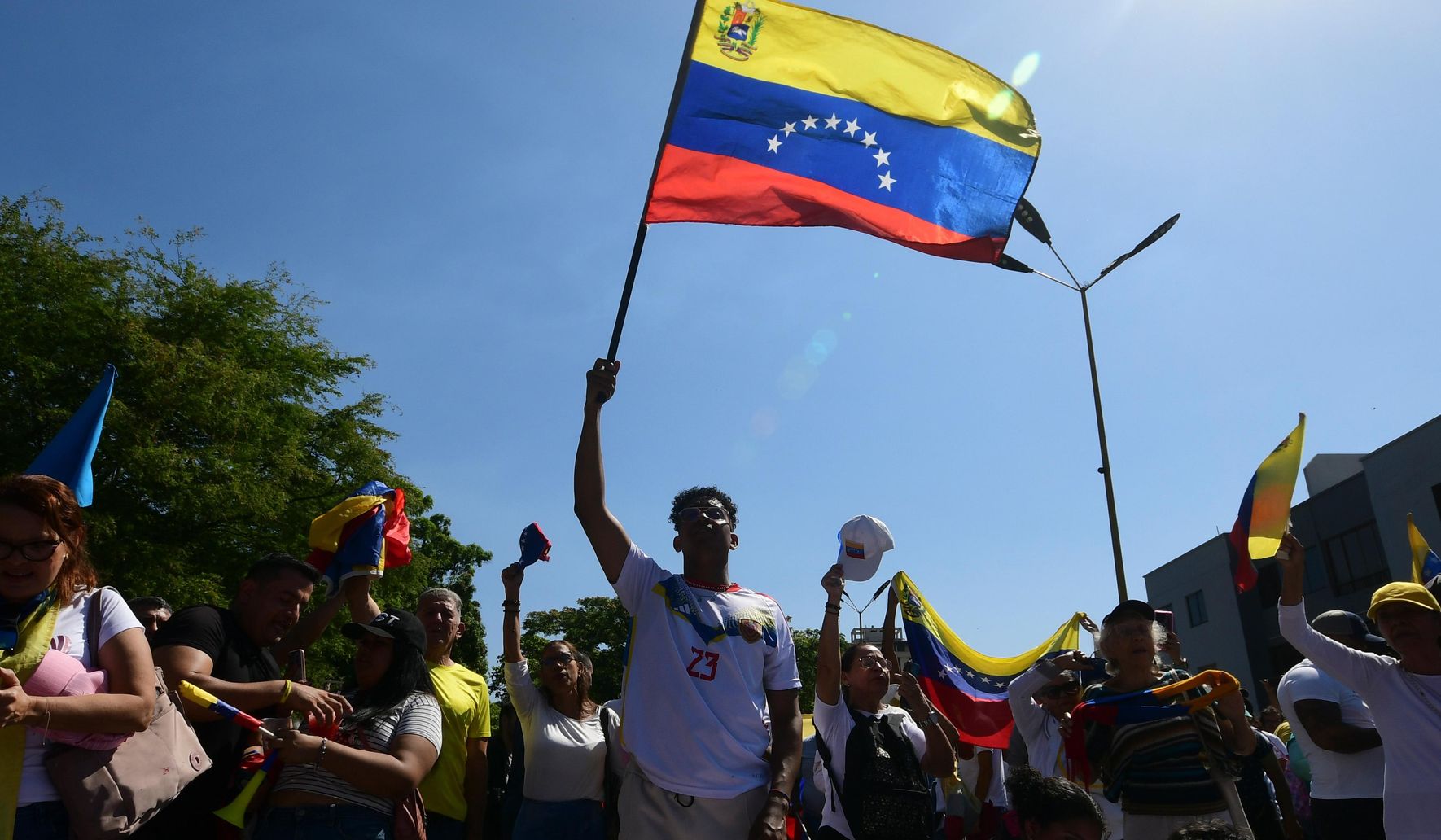
The United States and Venezuela agreed to reestablish diplomatic relations in a major shift in a historically adversarial relationship, the State Department said on Thursday.
The State Department’s announcement marks a clear break from years of frozen ties and escalating tensions. For decades the relationship between Washington and Caracas has swung between open hostility and guarded engagement, shaped by ideological conflict and sanctions. This move signals a deliberate pivot in U.S. foreign policy toward Venezuela.
Republicans should read this as a cautious opening, not an automatic win for either side. Reestablishing embassies and envoys can create channels for negotiating concrete changes, but it also risks normalizing an authoritarian government without hard, verifiable concessions. The administration’s next steps will matter more than the headline itself.
Any restoration of full diplomatic relations must come with clear conditions tied to democratic standards, human rights, and the release of political prisoners. U.S. credibility depends on insisting that Venezuelan institutions prove they are moving toward transparency and rule of law. Simply restoring ties without measurable benchmarks would undercut the pressure that produced past concessions.
Economic leverage remains the primary tool Washington holds, and Republicans should push to keep that leverage until reforms are real and irreversible. Sanctions were imposed to punish corruption and kleptocracy and to protect American security interests; lifting them prematurely would reward bad actors. Careful, conditional relief can be used as a bargaining chip, but not as a handout.
Energy and migration concerns make this more than a diplomatic gesture. Venezuela’s oil reserves and regional migration flows have direct effects on American energy markets and border security. U.S. policymakers must guard against policies that trade away long-term security for short-term political optics, and demand verifiable steps that reduce irregular migration and improve energy transparency.
Congress and oversight mechanisms should be kept at the center of any agreement, ensuring that shifts in Washington policy reflect national interests, not unilateral executive choices. That means clear reporting, timelines, and snap-back measures if Caracas backslides. Oversight is not obstruction; it is the responsible way to protect voters and maintain leverage.
Reengagement also offers an opening to coordinate with regional partners who have lived with the consequences of Venezuela’s crisis for years. A renewed U.S. presence should complement, not replace, Latin American efforts to restore democracy and stability. The goal has to be verifiable reform rather than simple diplomatic theater.
Many tough questions remain about how to translate a diplomatic reset into real improvements for Venezuelans and for U.S. strategic interests. The announcement is a first step, but the hard part is designing an enforceable framework that protects human rights, secures energy interests, and strengthens democratic institutions. Those are the standards that must guide what comes next.

