

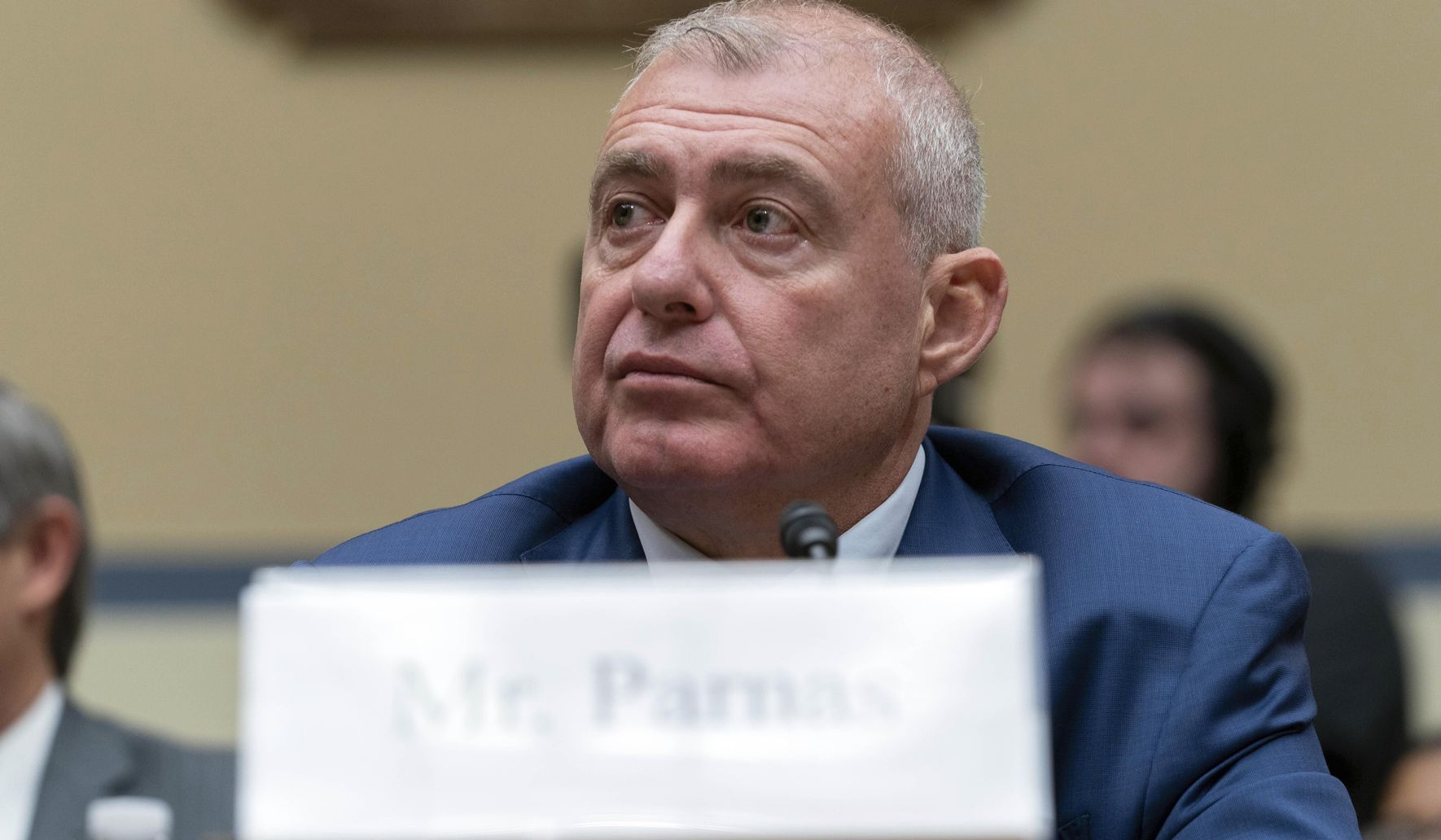
Former Rudy Giuliani associate Lev Parnas has jumped into a House race in Florida as a Democrat, a move that instantly changes the conversation about turnout, credibility, and what voters expect from candidates with controversial backgrounds.
Former Rudy Giuliani associate Lev Parnas has jumped into a House race in Florida as a Democrat. That single sentence already tells you why this candidacy will draw attention across party lines and media outlets alike.
Parnas’s decision to run under a different banner raises immediate questions about motives and consistency. Switching parties after a public association with a high-profile Republican figure sets up a narrative that opponents will exploit and voters will scrutinize closely.
From a Republican viewpoint, this kind of flip invites skepticism about political opportunism. When someone who once worked closely with a controversial GOP figure seeks office as a Democrat, voters deserve plain answers about what changed and why voters should trust the pivot.
The optics are awkward for both parties: Democrats must explain why a candidate with those ties represents their values, and Republicans must defend against the idea that loyalty to conservative principles can be bought or abandoned. That tension makes this race a laboratory for how each party handles candidates with complicated records in the social media age.
Campaign dynamics will center on credibility, fundraising, and media attention. A candidate with a headline-friendly past can attract donations and coverage, but attention does not always translate to votes, especially if opponents frame the story around judgment and accountability.
Florida voters already expect retail politics and clear, consistent messaging from anyone who wants to represent them. Listening tours, local endorsements, and a tidy explanation of past associations will matter more here than national stage soundbites. Candidates who hope to succeed need to show how their records align with local priorities on jobs, safety, and schools.
Legal baggage and public controversies are unavoidable in modern campaigns, and voters increasingly want specifics, not spin. Republicans viewing this race will focus on the need for transparency and on whether the candidate’s past actions square with promises for the future.
For party leaders, this is also a test of discipline and messaging. Democrats will have to decide whether to embrace a headline-grabbing recruit or prioritize candidates whose backgrounds fit their brand without long explanations. Republicans will weigh whether to highlight inconsistency or to push their own vision forward without getting drawn into endless kettles of scandal.
Ultimately, this contest will be decided on familiar terms: can the candidate convince voters that their priorities match the district’s, and can they withstand attacks that tie past associations to present intentions. The campaign trail rewards clarity and punishes evasiveness, so how this candidate frames the move and answers tough questions will shape the race more than the initial shock of party change.
Expect local debates to focus less on national theater and more on tangible policy proposals once the headlines fade. Voters tend to respond to clear plans for the economy, public safety, and education, and any candidate who cannot make that transition from flash to substance will struggle at the ballot box.

