

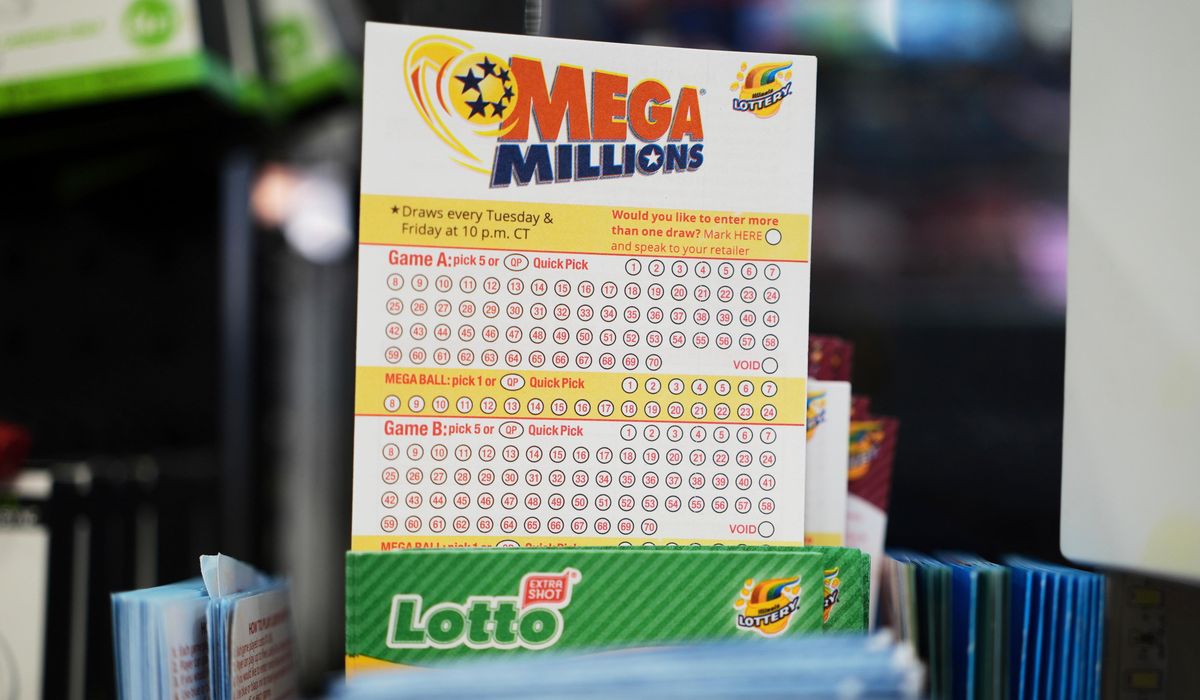
A single ticket sold in Florida matched all six numbers in Tuesday night’s drawing to claim an estimated $800M Mega Millions jackpot, the 10th-largest prize in the game’s history. The win landed on a single ticket, so there will be no split between multiple top-prize holders. Officials confirmed the result after the drawing and the state lottery will announce next steps for claiming the prize.
The winning ticket matched all six numbers in Tuesday night’s Mega Millions drawing, producing an estimated $800 million jackpot. That figure places this prize among the biggest payouts the game has ever printed, coming in as the 10th-largest in its history. The news immediately created a flurry of attention around the store that sold the ticket and the surrounding community.
For perspective, the odds of hitting the Mega Millions jackpot are famously long, about 1 in 302,575,350. Those odds help explain why large jackpots grow so quickly when multiple draws pass without a top-prize winner. Despite the long odds, tickets keep getting bought across the country, driven by the hope of a life-changing hit.
When a single ticket claims the full advertised jackpot, the prize is not split and the winner has the full decision to make about payout options. Mega Millions offers an annuity paid over 30 years or a one-time lump-sum cash option, with the cash choice typically much smaller than the advertised total. Financial planners usually note that both tax consequences and personal goals should guide the choice between annuity and cash.
Taxes will take a substantial bite of any large jackpot, beginning with federal withholding and potentially additional federal tax when returns are filed. State taxes vary by where the winner lives and where the ticket was purchased, so final tax bills can differ significantly. Most winners consult tax, legal, and financial advisers immediately to structure payments, manage withholding, and protect assets.
The claiming process includes verifying the ticket, following state lottery instructions, and completing required paperwork within the claim deadline the lottery sets. Winners are often advised to sign the ticket and store it in a safe place before contacting lottery officials for formal guidance. State rules determine what information about the winner becomes public, and winners should get legal counsel about privacy and publicity options where available.
A top-prize hit of this size tends to spark local economic and social ripple effects, from a surge of customers at the retail location that sold the ticket to community conversations about sudden wealth. Retailers that sell winning tickets sometimes receive bonuses from lotteries, and local leaders often weigh in about potential benefits and risks to the neighborhood. Media attention can be intense, so communities and winners alike prepare for sustained interest.
Historically, jackpots of this magnitude reshape short-term ticket-buying behavior and push discussions about powerball and Mega Millions odds, prize structures, and the growth of advertised totals. Big jackpots also generate renewed scrutiny of lottery rules, payout methods, and the balance between entertainment and financial expectation. Analysts and gambling researchers watch for any shifts in player behavior after large wins.
Practical steps for anyone who thinks they hold a big prize are simple to list and critical to follow: confirm the numbers with the official lottery drawing, sign the back of the ticket, and contact the state lottery for precise claiming instructions. Winners usually assemble a team that includes an attorney, a tax professional, and a trusted financial adviser before going public. Taking those precautions helps manage the immediate logistical and legal tasks that come with a major prize.

