

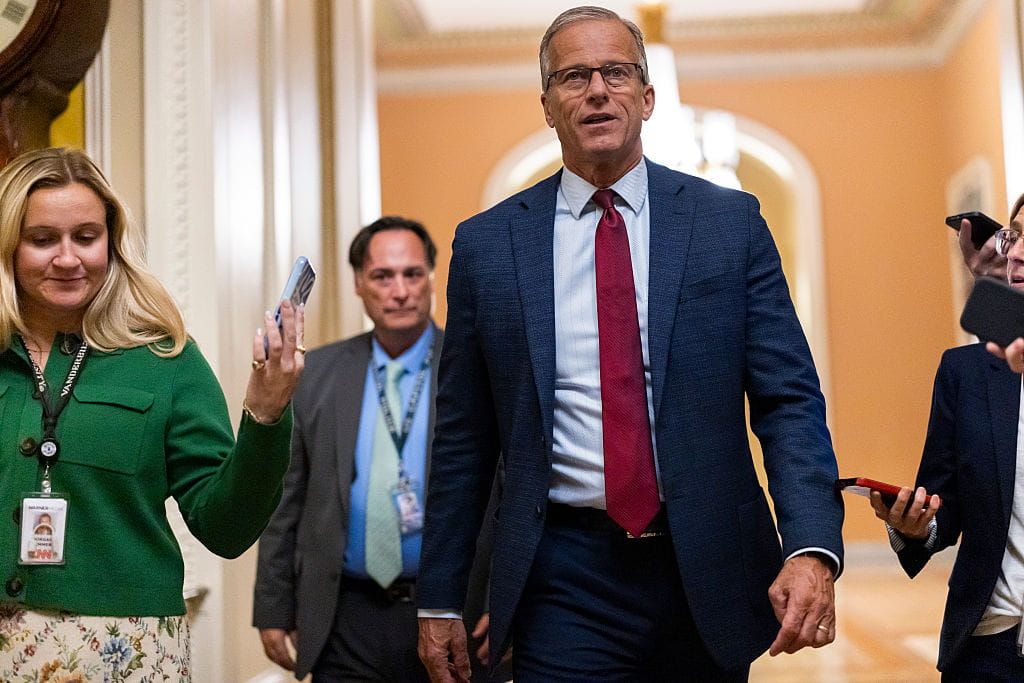
The Senate slogged through a marathon session to clear big-ticket spending moves, tighten sanctions, and push a slate of confirmations before heading into recess on Aug 8, 2026, and the result was a mix of wins and warnings for conservatives and the country.
“It took all night and into the morning, but the Friday grand finale was as epic as expected.” That line captures the raw drama on the floor as senators traded amendments, threats, and concessions to get deals across the line. Lawmakers left exhausted, but the calendar demanded votes, and those votes set the tone for the months ahead.
Spending dominated the agenda, and Republicans made their displeasure known without being purely obstructionist. The argument was simple: Washington does not need another blank check, and any package that fails to tackle waste and entitlement growth is a sketch, not a solution. Conservative senators pushed hard for fiscal guardrails, using leverage where they could to extract concessions on oversight and caps.
Sanctions were a clearer area of consensus, with senators from both parties siding up against hostile actors abroad. Tough talk turned into tangible measures designed to squeeze bad actors’ access to finance and technology. For Republicans, sanctions offered a chance to show strength without expanding endless foreign entanglements.
Confirmations moved steadily through the ranks, and those votes will have real impact long after the headlines fade. Judges, defense appointees, and agency nominees who favor law enforcement and restraint on regulatory overreach got the green light. For conservatives, confirmations are the kind of long-game victory that reshapes policy and rule-making beyond a single session.
That said, the spending choices on the table leave openings for future fights, and the recess is likely to be less of a vacation and more of a staging ground. Senators will return to constituencies, take stock of messaging, and build lists for next clashes over appropriations and reform. If conservatives want real wins, the quiet weeks must become organized pressure campaigns.
Republicans framed much of the debate as a test of priorities: secure the border, rein in spending, and hold hostile states accountable. They rallied around plain principles rather than elaborate policy fashions, trying to connect the dots between budget choices and everyday American security and prosperity. That messaging will be central as primary season approaches and voters ask who protected their pocketbooks.
Yet the reality of governing forced compromises. Some spending elements survived that no fiscal conservative would tout, and there are legitimate concerns about how well oversight provisions will be enforced. Still, the outcome reflects a Senate that can, when it must, blend partisan fire with the transactional business of government, rather than ceding every fight to the other side.
On foreign policy, sanctions won applause as a tool that hits adversaries economically while avoiding boots on the ground. Republicans argued for sharper, targeted measures that maximize pressure and minimize blowback for allies and American firms. The debate underscored a preference for decisive pressure over dreamy engagement strategies that have left rivals emboldened in recent years.
Confirmations delivered personnel who are likely to favor judicial restraint and clearer lines for executive branch limits, outcomes Republicans can point to when defending procedural tradeoffs. Those votes matter because institutions shape outcomes for decades, and the bench and bureaucracy matter as much as statutes. For conservative voters, personnel wins are tangible proof that influence translates into action.
As the Senate heads into recess, the political theater gives way to strategy work: tracking how the spending measures play out, how sanctions are implemented, and how newly confirmed officials steer policy. Republicans will press to convert short-term leverage into durable changes, and that requires more than applause on the floor. The coming weeks will be about organizing pressure, refining fiscal plans, and making sure the lessons of that long Friday night stick.

