

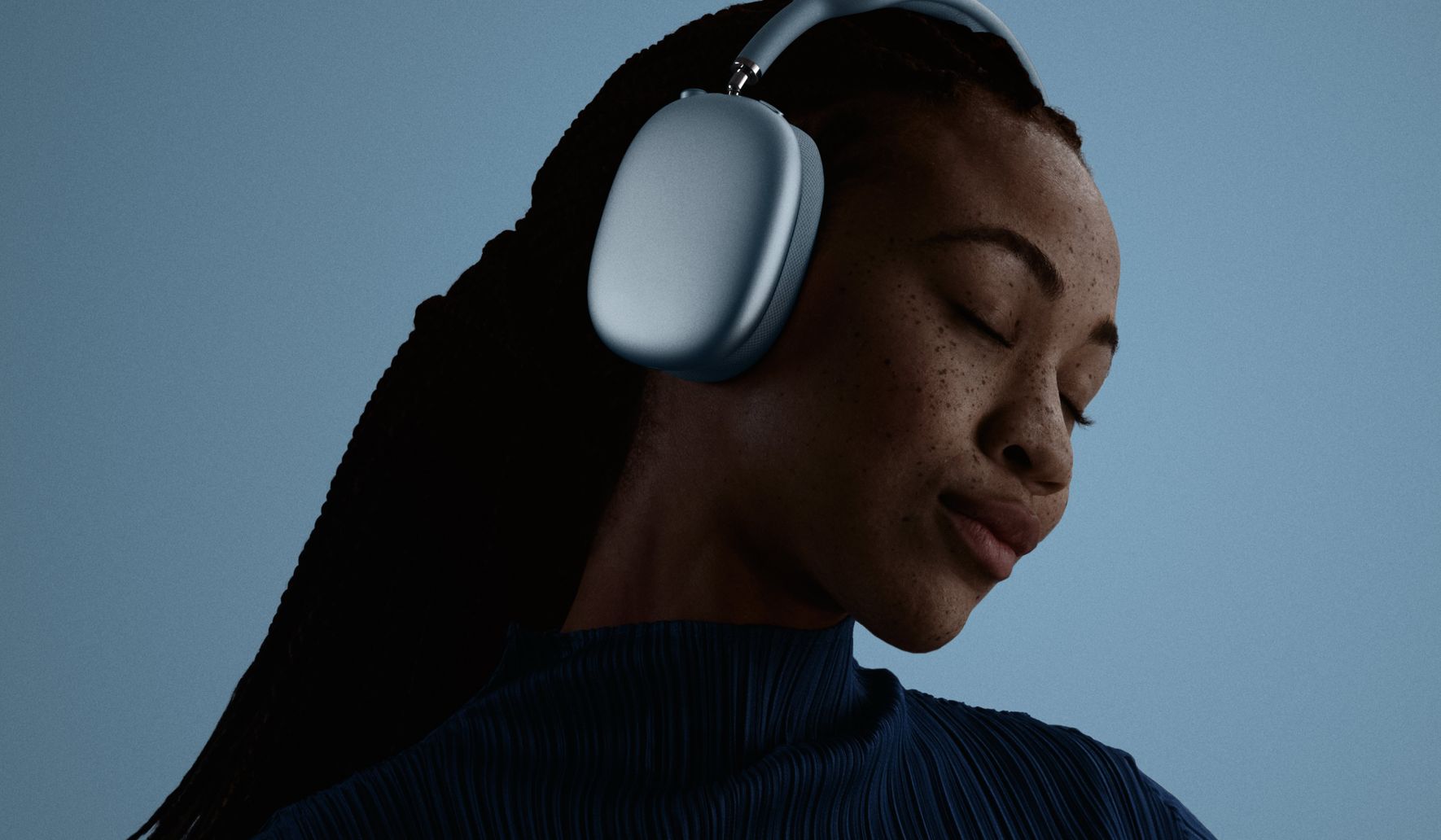
Apple Inc. on Monday announced the AirPods Max 2, the first major hardware update to its flagship over-ear headphones since their December 2020 debut.
Apple revealed a new generation of its premium over-ear headphones, introducing the AirPods Max 2 as the first significant hardware refresh since December 2020. The announcement signals Apple is revisiting its flagship audio line with updated hardware and a renewed focus on sound, comfort, and integration with the Apple ecosystem. Early impressions point to iterative improvements that build on what made the original popular while addressing long-standing user feedback.
The second-generation model appears to keep the design language that made the first AirPods Max recognizable, while optimizing weight and fit for extended listening sessions. Apple has a track record of tuning materials and ergonomics across product revisions, and the Max 2 seems aimed at delivering a more balanced feel on the head. Those changes should help with daylong wear and make the headphones feel less front-heavy for many users.
Internally, Apple is expected to refresh the audio processing and battery management hardware to extend playback and improve noise cancellation performance. Improvements in chip-level audio processing can translate into clearer separation, better bass control, and more efficient use of active noise cancellation. Users who rely on long listening periods will likely welcome battery gains that avoid frequent recharges during travel or workdays.
Software remains central to the AirPods Max experience, and Apple continues to lean on tight integration with iOS, macOS, and other devices. Enhanced spatial audio features and refined algorithms for head tracking promise a more immersive experience for movies, music, and games. Seamless switching between devices, automatic pairing, and low-latency modes remain pillars of the platform, and the Max 2 keeps those conveniences at the forefront.
Noise cancellation and transparency modes are expected to see upgrades that reduce background noise without sacrificing audio fidelity. Improvements here usually stem from better microphones and smarter adaptive filtering, which help maintain an authentic soundstage even when the environment is loud. For commuters and remote workers, sharper noise control can make a big difference in focus and clarity during calls and listening sessions.
Battery life and charging are perennial concerns for over-ear wireless headphones, and the Max 2’s updates aim to stretch time between charges. Efficient power management paired with refined hardware can yield meaningful gains without inflating the headset’s size or weight. For users who travel frequently or use headphones for long stretches, fewer charging interruptions make the overall experience feel more premium and dependable.
Audio purists will watch closely for tweaks in driver design and tuning, since much of the Max lineup’s reputation rests on a balanced, detailed sound signature. Apple’s approach often includes both hardware and software tuning to achieve a musical, yet precise quality that serves a wide range of genres. Whether the Max 2 leans toward warmth, neutrality, or a more analytical presentation will determine how it stacks up against established audiophile choices.
Pricing and availability will shape how the new model is received, especially for buyers weighing the Max 2 against competitors or the original model on sale. Apple tends to position its flagship headphones at a premium, and value assessments hinge on perceived upgrades in comfort, battery, noise cancellation, and sound quality. Early adopters often trade cost for the latest tech while others may wait for discounts or carrier deals.
For fans of the Apple ecosystem, the AirPods Max 2 promises continued ease of use across iPhone, iPad, and Mac, plus native access to Apple services and features. Those benefits matter to many buyers who prefer minimal setup and worry-free device switching. As the Max line evolves, Apple seems intent on keeping audio as a standout part of its hardware portfolio while addressing the practical needs of daily listeners.

