

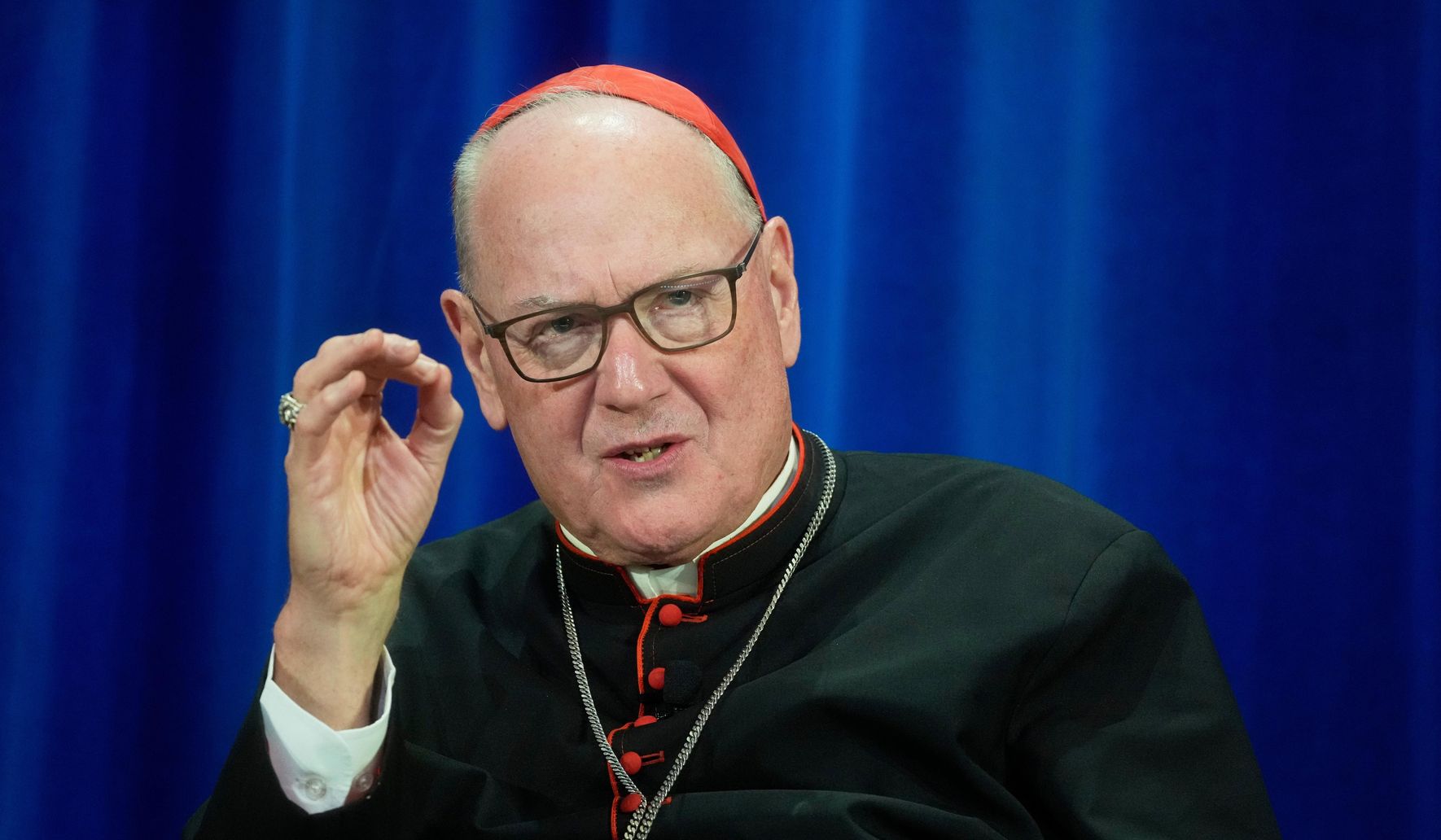
The Archdiocese of New York announced on Monday that it will establish a $300 million fund to compensate people who have sued the church over sexual abuse claims.
The Archdiocese of New York said on Monday it will set up a $300 million fund to compensate victims of sexual abuse who have filed lawsuits. The statement makes the fund the central mechanism the archdiocese plans to use to address civil claims brought against it.
The fund is intended to provide financial restitution to claimants who pursued legal action, offering an alternative to extended trials and individual settlements. While the announcement gives a dollar figure, it did not include full procedural details about eligibility criteria or the timetable for payments.
Dioceses and other institutions facing multiple abuse suits have increasingly turned to structured funds to handle claims, and this move follows that pattern. Those funds are often created to consolidate liabilities and to give both plaintiffs and the institution a clearer path forward without resolving every case through litigation.
For survivors, a centralized fund can mean faster access to money than waiting for court dockets and individual trials to play out. At the same time, some claimants prefer to take their cases to court to seek accountability, a point that frequently leads to differing reactions among survivors and advocates.
On the financial side, a $300 million commitment represents a substantial liability that the archdiocese will need to fund through a combination of assets, insurance recoveries, and potential restructuring of budgets. Institutions that create large settlement funds typically coordinate with insurers, creditors, and financial advisors to determine how payments will be made without jeopardizing core operations.
Independent oversight is commonly part of such arrangements, with trustees, special masters, or third-party administrators appointed to evaluate claims and distribute payments. That kind of oversight aims to ensure fairness in evaluating cases and to maintain transparency about how awards are calculated and disbursed.
Reactions to funds like this tend to be mixed: some survivors and advocates welcome a predictable process that reduces delays, while others express concern about whether a fixed fund can fully account for the range of harms and losses survivors describe. Calls for clear reporting and publicly available governance documents often follow announcements of large settlements.
Procedural details that typically follow an announcement include a claims filing deadline, documentation requirements, methods for valuing different types of claims, and a dispute-resolution process for contested claims. Those steps can take months to design and implement, and claimants and lawyers will watch closely for fairness and consistency in awards.
Beyond payments, decisions to create funds can spur broader conversations about prevention, oversight, and institutional reform to reduce the chance of future abuse. The Archdiocese of New York’s announcement of a $300 million fund marks a major development in how the institution plans to address civil claims, and the coming weeks should bring more specifics about how the plan will operate and who will administer it.

