

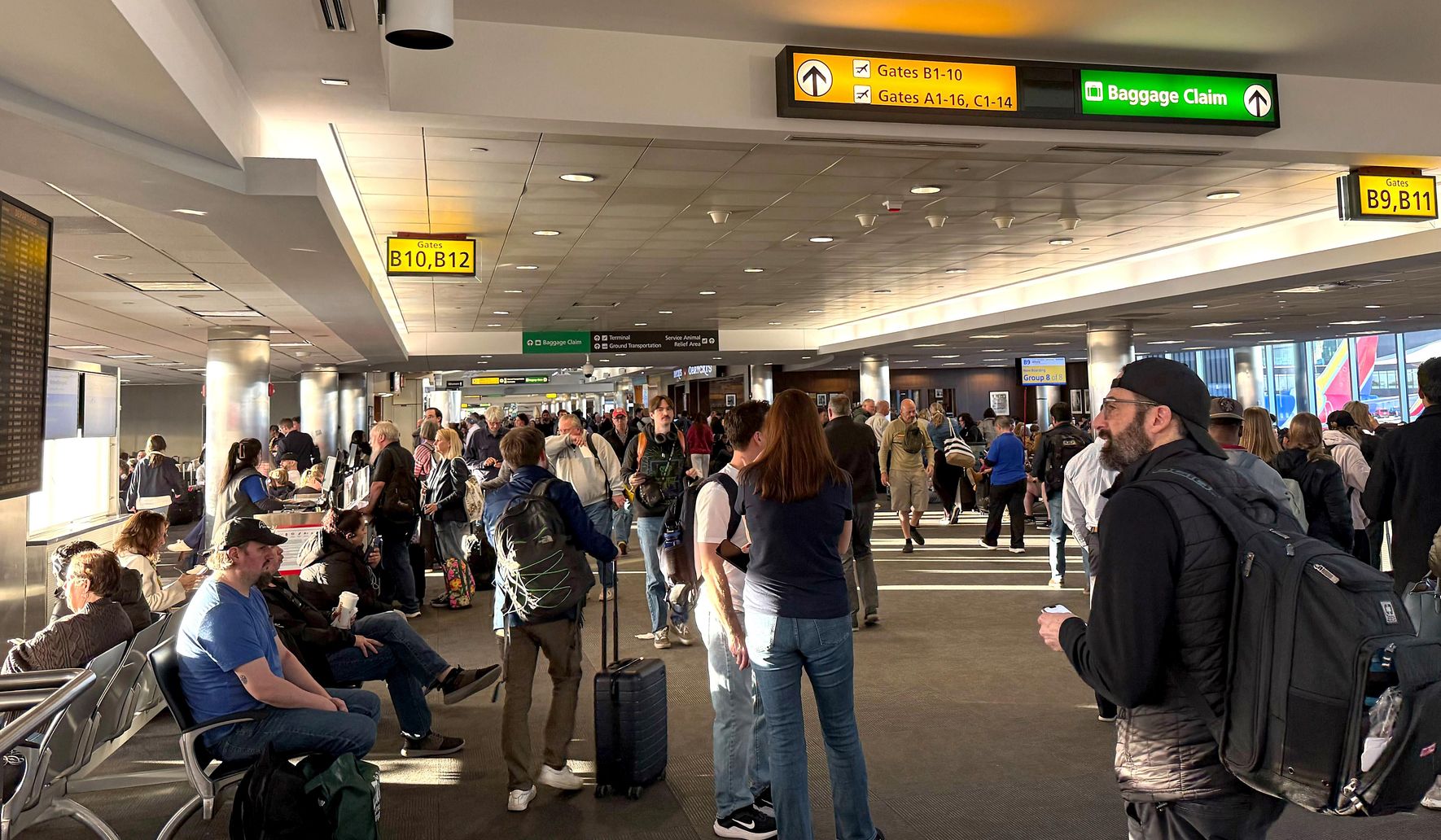
Four airports serving Washington, D.C., Baltimore and Richmond halted flights for over an hour after a strong chemical smell interfered with air traffic control operations, prompting ground stops, delays and an immediate safety response while authorities worked to identify the source.
Late on Friday evening, air traffic control operations were disrupted across a cluster of airports serving Washington, D.C., Baltimore and Richmond, Virginia, after staff reported a strong chemical odor in the vicinity. The smell was serious enough that controllers could not safely manage arriving and departing traffic, so all flights were put on hold for over an hour. Airports and airlines moved quickly to implement ground stops and protect people on the ground and in the air.
Ground stops mean aircraft already in the air were held on vectors or diverted, while flights on the ground were prevented from departing until controllers could confirm safe conditions. Passengers faced extended waits at gates, and flight schedules were scrambled as airlines rebooked connections and adjusted crew timing. For those traveling through the affected region, the disruption added uncertainty and a cascade of delays into the overnight schedule.
Airport operators and federal officials activated incident protocols to get a handle on the situation and to inspect control towers and adjacent facilities. Teams checked ventilation, monitored air quality and swept the critical areas where controllers work. The priority was straightforward: restore a safe workspace for air traffic controllers so they could resume normal sequencing and spacing of flights.
Investigators focused on tracing the odor to potential local or regional sources, considering everything from an industrial release to a nearby transportation or utility issue. Officials were careful to avoid premature conclusions while crews sampled the air and reviewed surveillance of nearby sites. Coordination between airport authorities, local emergency responders and federal aviation agencies was central to narrowing down possibilities.
For airlines, the immediate task was damage control: managing passengers, repositioning aircraft, and communicating revised itineraries. Some carriers offered meal vouchers and hotel accommodations where appropriate, while others rerouted passengers through unaffected airports. Even after operations restarted, residual congestion meant baggage and connection problems lingered into the following hours.
Commercial aviation depends on clear, reliable control-room conditions, so even a temporary hazard can have outsized consequences across the system. Air traffic control is built on redundancy and conservative decision-making; when controllers judge an environment unsafe, the safest option is to pause movements until the issue is resolved. That conservative posture prevents accidents and preserves public trust in an already complex transport network.
Local residents near the airports reported noticing the odor, and authorities urged anyone experiencing symptoms to seek medical attention, though no widespread injuries were immediately reported. Public information officers provided periodic updates to keep travelers and nearby communities informed while the probe continued. Transparency about timelines and findings is essential to restore confidence after an event that touches so many flights and lives.
Once airspace was cleared and controllers deemed their workspaces safe, operations resumed and a backlog began to clear, though ripple effects persisted through the night. The airports involved have committed to full follow-up investigations and reviews of procedures to reduce the chance of a repeat disruption. For now, travelers and operators alike are left watching for official results that will explain what caused the chemical smell and why it reached levels high enough to impede vital air traffic control functions.

