

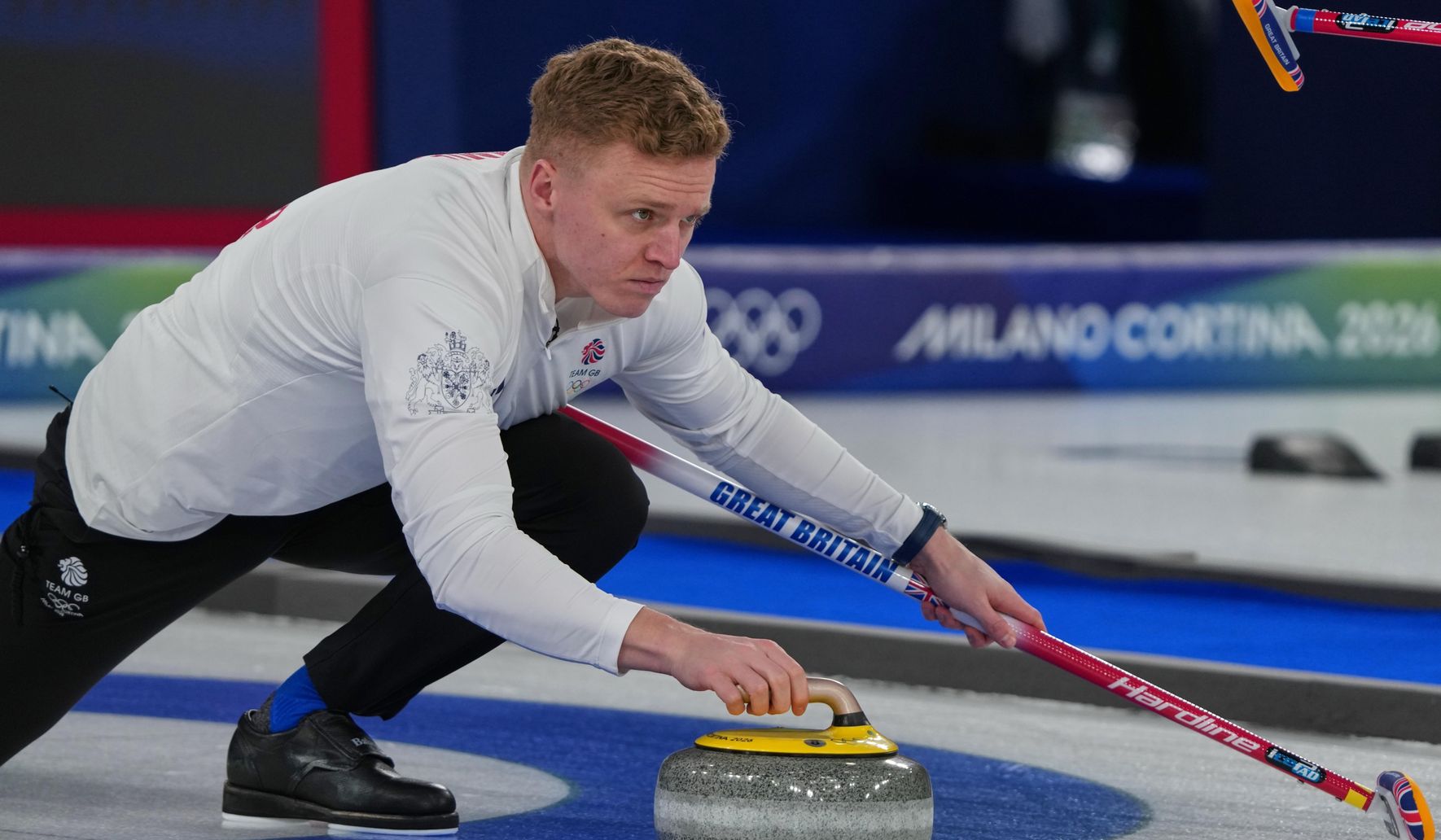
Curling gets the spotlight here as a clear, practical look at how the sport works, from the rink to the roles on the team, with a focus on why it feels equal parts skill, tactics and etiquette.
Curling, often described as “chess on ice,” is a Winter Olympic team sport that blends strategy, precision and etiquette. It’s played on a rectangular sheet of ice with a circular target called the house at each end, and matches reward careful planning as much as shot-making. Fans and newcomers alike are drawn to the mix of quiet calculation and sudden physical effort when sweepers hit the ice hard.
A standard curling team has four players: the lead, the second, the third (or vice-skip), and the skip. Each player has distinct responsibilities during an end, and the order of play matters for tempo and strategy. Equipment is deceptively simple: granite stones, brooms, stabilizers for sliding, and footwear with a slider and a gripper.
Games are divided into ends, which are like innings in baseball, and Olympic matches commonly run 10 ends. Scoring happens after both teams deliver all eight stones per end, with points awarded for stones closest to the center of the house. That structure forces teams to think several shots ahead, balancing offense and defense as the scoreboard changes.
The skip usually calls the shots and reads the ice, standing in the house to direct teammates on weight and line. Sweepers influence both distance and curl by brushing the ice in front of a moving stone, a skill that can turn a good shot into a great one. Communication between thrower, sweepers, and skip is constant and often decisive under pressure.
Ice conditions and stone behavior are where curling gets technical. Each granite stone has a running surface and will curl toward the outside as it slows, hence the name. Sweeping slightly reduces friction and keeps a stone on a straighter, longer path, so timing and intensity of sweeps matter a lot. Players also watch the hog line and tee line carefully to ensure legal deliveries and proper placement.
Etiquette is built into curling’s DNA; the sport prizes honesty, respect, and a calm demeanor on and off the ice. Teams traditionally shake hands before and after games, and players are expected to call their own fouls honestly. The decorum helps matches run smoothly and keeps the emphasis on fair play even in tight, heated contests.
Curling’s Olympic presence has raised its profile around the world, and formats have evolved to include mixed doubles alongside the traditional four-player game. Countries with strong programs—Canada, Scotland, and the Nordic nations, among others—often dominate, but the sport’s low barrier to entry has widened international competition. Major events combine national pride with grassroots club culture, so elite and recreational scenes feed each other.
Training covers shot-making, sweeping technique, and tactical drills, along with off-ice fitness to improve balance and endurance. Players work on draw weight, takeout precision, and the kind of split-second decision-making that impacts match outcomes. Coaches focus on reading ice patterns and preparing teams for the mental demands of multi-end matches at tournament pace.
Clubs and community rinks make curling accessible to newcomers, offering learn-to-curl sessions and social leagues that welcome a wide range of ages and abilities. Adaptive and junior programs help keep talent flowing into the competitive ranks while preserving the social side of the sport. For many players, the appeal is simple: a strategic challenge, physical engagement, and a strong community atmosphere that keeps people coming back.

