

This piece looks at how the political left and much of the legacy media respond when immigration enforcement leads to injury, and why those reactions say more about their priorities than about border safety.
Watching outlets and opposition politicians rush to outrage whenever immigration enforcement goes wrong has become routine. Their loud condemnations often focus on the momentary tragedy while ignoring the broader law-and-order context that led to the enforcement action. That pattern underlines a larger disagreement over border policy and public safety that Republicans have framed as a simple choice: enforce the law or accept chaos.
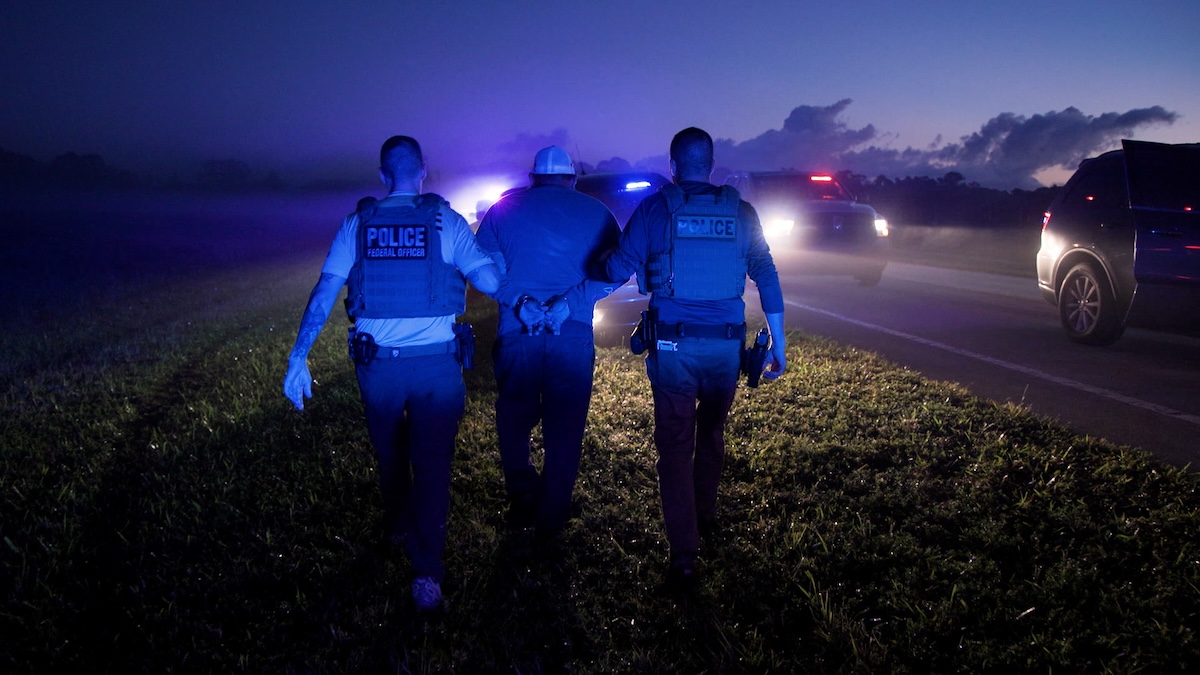
Recent coverage of a reported incident involving a 20-year-old Haitian migrant shows the predictable playbook. Headlines amplify the human drama while critics rarely trace back to why officers were on scene or what policies produced the situation. The result is one-sided public debate where enforcement is presented as the sole villain and illegal entry the overlooked cause.
There’s a strong political angle to all this. Democrats and many in mainstream media push narratives that prioritize optics and emotion over enforcement outcomes, which feeds political incentives to limit tough immigration policies. From a conservative perspective, that’s dangerous because it rewards illegal behavior and undermines the rule of law. If cartel-driven smuggling and mass crossings persist, more incidents like the recent one are inevitable.
President Trump’s approach to border security, for all its controversy, was built on deterrence — stopping illegal crossings before they happen and swiftly returning people who enter unlawfully. Republicans argue that these measures reduced dangerous flows and made encounters between migrants and enforcement personnel less frequent. When the left opposes strict deterrents, it effectively allows larger, riskier movements that increase chances of misfortune.
It’s reasonable to treat any injury with seriousness, but not at the expense of context. Enforcement isn’t a hobby for officers; it’s a duty carried out under difficult conditions shaped by policy choices from Washington and repeated legislative refusals to shut down incentive structures for illegal entry. Ignoring that context lets those who favor lax enforcement dodge responsibility for the consequences.
The media’s role deserves particular scrutiny. Coverage often skips the structural questions: what border policies were in place, what directives governed agents’ actions, and how did prior administration changes influence current operations? A reporting approach that centers heartbreak without structural analysis fuels political theater instead of providing citizens the full picture they need to judge policy.
Republicans point to data showing that when deterrence is credible, crossings drop and the pressure on enforcement resources eases. That isn’t a sentimental argument; it’s pragmatic. Reduced flows mean fewer dangerous situations, fewer tragedies, and clearer pathways for legal immigration and asylum processing.
Critics will say enforcement can be brutal and that every injured person is a moral emergency. Those concerns have weight, but they must be balanced against public safety and the rule of law. The right question is how to design and staff enforcement so that officers can carry out duties safely while still removing the perverse incentives that encourage risky, irregular migration.
Whatever one’s view on immigration, the current debate is politically charged and often selective in its outrage. Media narratives that spotlight enforcement errors but ignore the policies creating those scenarios are not honest accounting. Real reform requires confronting the choices that shape the border, not only reacting to the tragic outcomes those choices sometimes produce.

