

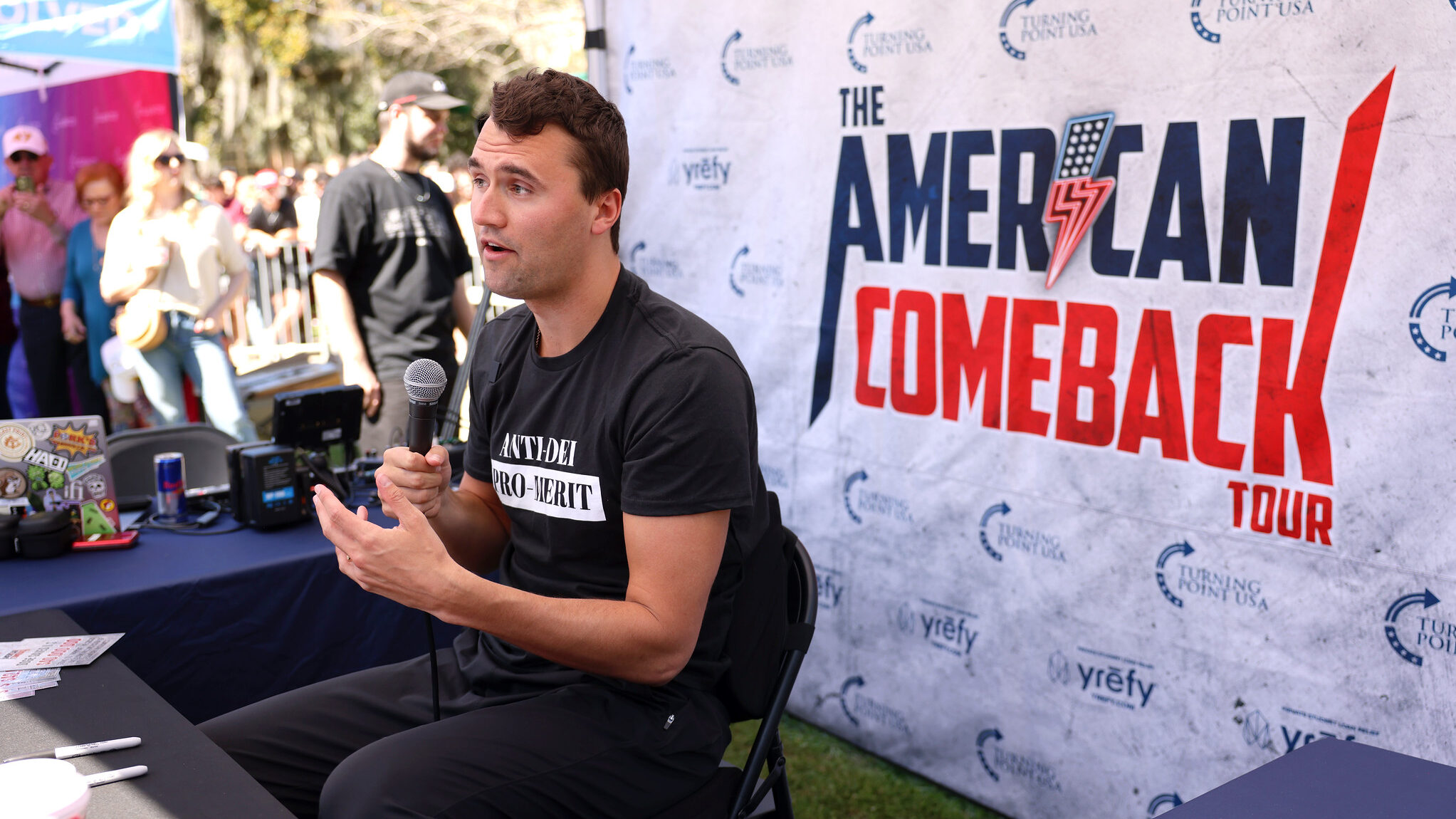
One year after Charlie Kirk was killed on a Utah college campus, reports that Georgetown students are planning a Charlie Kirk look-alike contest have provoked outrage and sharp debate about priorities on campus. The anniversary should be a quiet time for remembrance and sober reflection, not an opportunity for mockery. This piece lays out the facts, the reactions, and the broader implications for campus culture and accountability.
Thursday marks one year since Charlie Kirk was assassinated by a leftist on a Utah college campus, and what should be a solemn day has been warped into a spectacle at another institution. Georgetown students are reportedly organizing a Charlie Kirk look-alike contest, an event that reads as tone-deaf at best and cruel at worst. Turning Point USA spokesman Andrew Kolvet told Fox News Digital that the timing and the setup are profoundly offensive to those who knew and supported Kirk.
The reported contest feeds into a pattern where political theater replaces basic decency. College life should include debate and even provocation, but celebrating or mimicking someone who was murdered crosses a line. Conservatives on campus and off see this as part of a broader cultural collapse where the leftist activist streak sometimes tips into insolence and insensitivity.
This episode raises questions about university leadership and standards of conduct. Administrators who tolerate or ignore mocking events risk signaling that disrespect for victims is acceptable on their watch. Republicans argue universities must enforce common-sense rules and protect the dignity of students and public figures alike, while also safeguarding legitimate free speech.
There is also a safety angle that gets too little attention in the rush to politicize everything. When an assassination occurs, campuses should respond by tightening security, reviewing threat assessment protocols, and reaffirming commitments to nonviolence. Instead, turning an anniversary into a party or contest looks eerily like normalizing or trivializing violence, which is dangerous on campuses already strained by ideological conflict.
Conservative groups on and off campuses are right to call out the disconnect between rhetoric and responsibility. When students lampoon victims tied to one political side, it undermines any claim to moral leadership from the institutions that host them. This is not about muzzling disagreement; it is about insisting that basic human decency and respect for life remain nonnegotiable standards.
Public reaction has been mixed but pointed, and the optics are bad for Georgetown. Alumni, donors, and parents expect schools to uphold standards that protect their community’s safety and reputation. Republicans see this as another moment where elites on campuses show contempt for traditional values, and they expect consequences if administrators remain silent.
Our politics are already raw enough without anniversaries of violence being turned into entertainment. Colleges should be places where difficult issues are discussed responsibly, where victims are honored, and where accountability is enforced regardless of the target’s politics. If universities tolerate tasteless stunts that celebrate or mock the dead, they betray both common decency and the public trust.

