

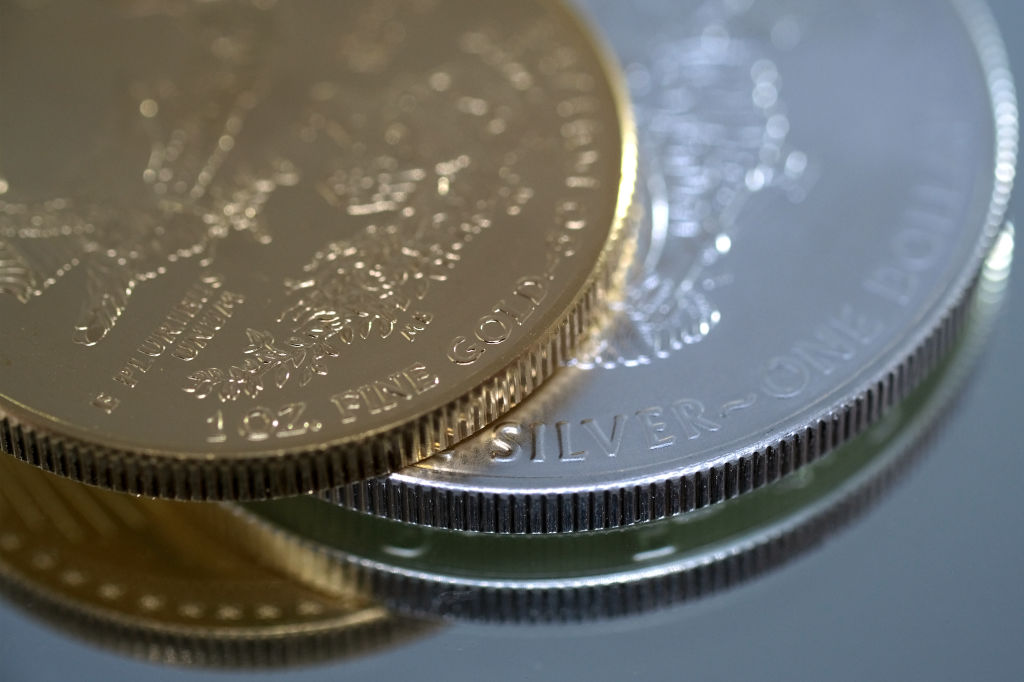
Wall Street woke up on Jan. 26 to milestone prices in precious metals, with gold breaking through $5,000 per ounce and silver holding above $100, signaling a dramatic moment for investors and markets.
On Jan. 26, traders saw gold top $5,000 per ounce for the first time, and silver continued firming above $100. Those are headline numbers that shift conversations across trading floors, retirement conversations, and the corner coin shop. Markets reacted quickly, but the story stretches beyond a single day into months of repositioning and renewed interest in tangible assets.
It has been an exceptional journey for precious metals, especially for investors who bought them for a couple of raspberries and a […]. That odd image captures how small early bets in bullion can look trivial until a sustained rally makes them hard to ignore. Long-term holders who endured volatility are now seeing the payoff of patience and the power of owning something outside the paper-money system.
The push to record prices reflects several familiar forces: inflation worries, currency moves, and geopolitical uncertainty all nudging demand for safe-haven stores of value. Central bank policy and fiscal decisions change perceptions of currency strength, and when confidence slips, gold and silver often become preferred options. Investors watch these metals not just for price moves but for how they react to policy shifts and market stress.
Silver’s rally above triple digits draws extra attention because the metal sits at the crossroads of investment and industry. Unlike gold, silver has widespread industrial use, so supply constraints or surging industrial demand can amplify price action. That mix of investment-driven and practical demand makes silver especially volatile and intriguing for traders and handicappers alike.
Physical demand has risen alongside paper instruments like exchange-traded funds, and that combination affects both spot prices and premiums at retail dealers. When investors queue for physical coins and bars, dealers tighten supply and raise premiums, which can feed the narrative of scarcity. Meanwhile, broader market players use futures and ETFs to express views, and the interplay between paper and physical markets matters for how rallies unfold.
Mining stocks and exploration plays tend to follow the metal prices but bring their own dynamics. Miners offer leverage: when metal prices jump, earnings and cash flow forecasts can expand quickly, boosting equity gains. But mining companies also face operational risks, permitting hurdles, and capital needs that make their share performance a more complicated bet than owning metal directly.
Volatility is part of the package. Sharp rallies can provoke profit-taking, and headline-driven swings can send prices back and forth before any new level feels settled. Traders use volatility to find opportunities, while longer-term holders assess whether current prices change the role metals play in a diversified portfolio. That diversity—between short-term trading and long-term preservation—keeps the market lively.
Market observers note that milestone numbers capture attention but don’t erase the fundamentals that drive price over time. Supply-side realities, technological demand for silver, and macroeconomic policy will keep influencing direction. For anyone watching the precious metals space, the Jan. 26 move is both a milestone and a reminder: markets can surprise, and owning a slice of history in bullion is now a headline reality rather than a curious side bet.

