

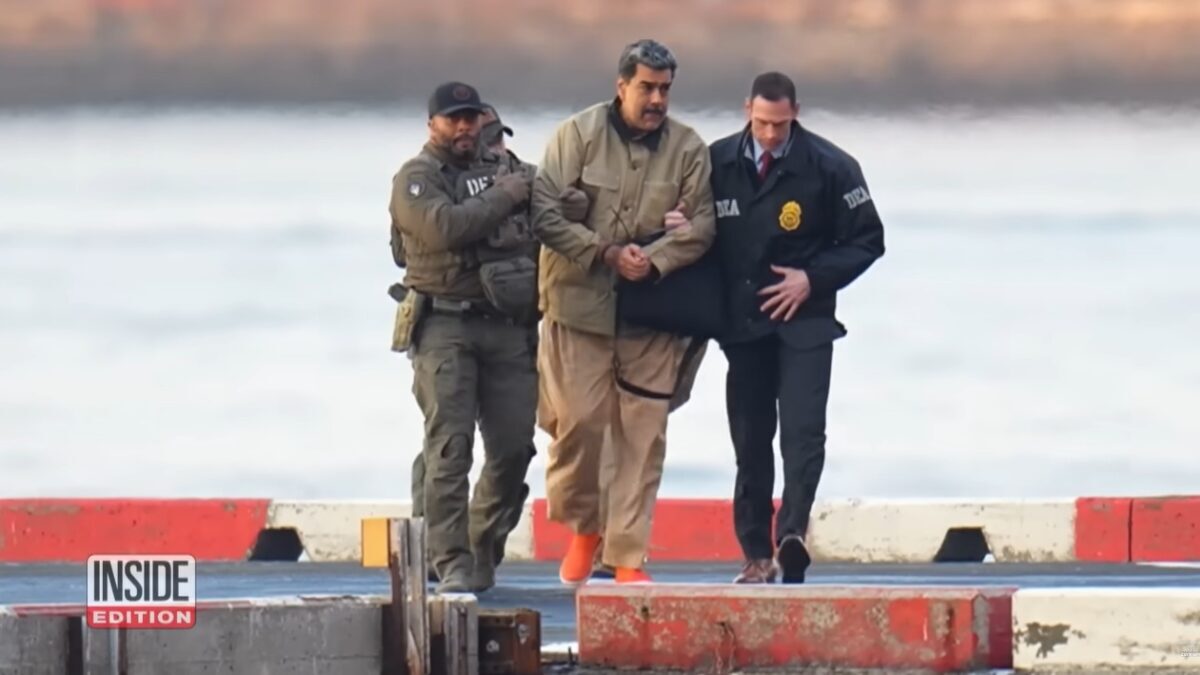
History shows that President Trump is on firm ground when he orders troops into combat even without congressional approval.
The Constitution names the president commander in chief, and over the last century presidents of both parties have moved quickly to use military force when national interests or imminent threats demanded action. Those actions often came first, with congressional debate or authorization following later, because the executive branch needed to protect Americans and respond rapidly. That pattern helps explain why modern presidents, including President Trump, have taken military action without prior, formal declarations from Congress.
Presidents have repeatedly relied on their Article II role to act when policymakers judged delay would cost lives or strategic advantage, and Republicans tend to emphasize that duty. From Korea to Grenada, and in many special operations and strikes since, leaders ordered forces into harm’s way under the logic that waiting for a formal declaration can be costly. This is not lawless behavior, it is a claim of constitutional authority backed by decades of practice and judicial deference in times of crisis.
The War Powers Resolution of 1973 tried to set clear rules, requiring notification within 48 hours and a 60-day clock for continued hostilities without congressional approval, but presidents often view parts of it as infringing on the executive branch. That tension between legislative intent and executive necessity is a long-standing constitutional debate, and many Republican policymakers argue that commanders in chief must retain flexibility to address fast-moving threats. The practical result is a steady interplay: presidents act quickly, then Congress weighs in afterward.
History offers specific examples that reinforce this approach. Harry Truman sent troops to Korea without a formal declaration, arguing that United Nations action and presidential authority justified intervention, and subsequent administrations have pointed to Korea when defending executive action. Ronald Reagan moved in Grenada in 1983 citing the need to protect American students and restore order, and more recent presidents have launched strikes and operations under similar pressures. Those precedents matter because they set expectations about how leaders will respond when they judge U.S. lives or interests to be at stake.
In the post‑9/11 world, Congress often delegates authority through Authorizations for Use of Military Force, but many contingencies do not fit neatly into those broad grants, and urgent threats arise that Congress did not foresee. Republican commentators often say that giving the president the ability to act quickly is a responsible way to shield Americans and preserve deterrence. When swift action is required, waiting for a divided Congress to pass new authorizations can hand the initiative to adversaries and expose U.S. forces to unnecessary risks.
That said, acting without advance authorization puts a premium on accountability and clear justification, which is why presidents and their teams typically brief Congress, seek retroactive approval, and explain legal and strategic rationales after the fact. Republicans argue for a strong executive with responsible oversight rather than paralyzing checks, and they point to examples where prompt action prevented larger conflicts or protected citizens overseas. The political pushback that follows any military move is part of the democratic check, but it does not erase the constitutional and practical reasons presidents act first and answer later.
Ultimately, accepting presidential initiative in military emergencies is about balancing rapid response with representative oversight, and conservative legal thinkers often side with a capable commander in chief who can defend Americans at a moment’s notice. That balance is messy, and it invites debate about which missions require prior congressional approval and which do not, but historical practice gives presidents a wide operating space. For Republicans who prioritize national security, the record supports a view that decisive executive action, coupled with transparent reporting to Congress, is the right approach when threats are immediate.

