

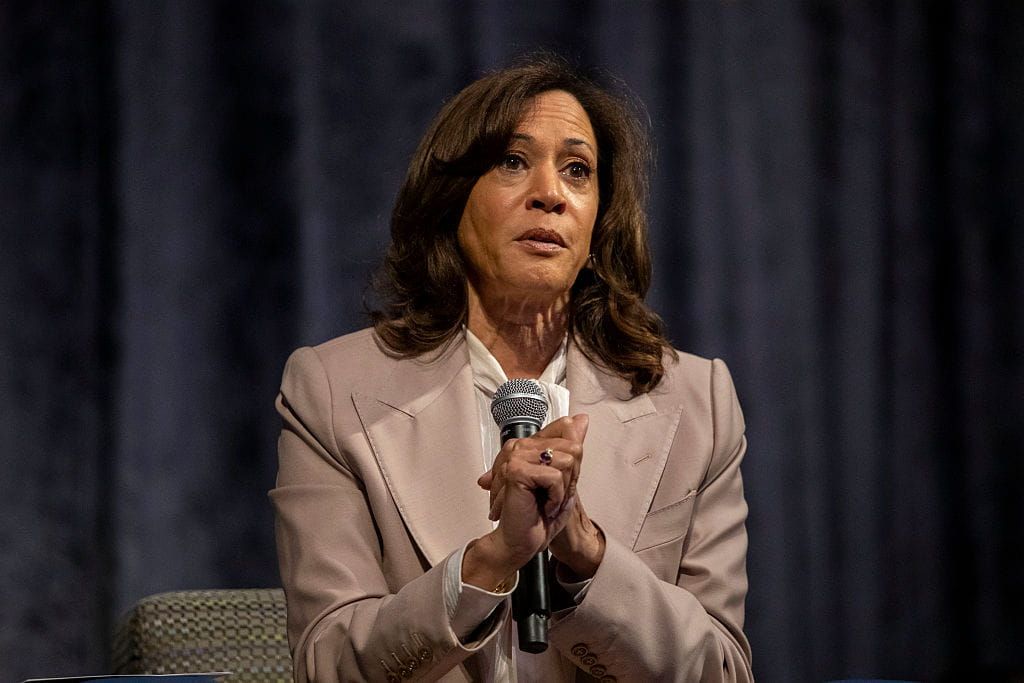
Kamala Harris faced a chilly reception in Alaska when her PAC-backed fundraising push for Mary Peltola drew a public rebuff, highlighting broader donor and voter hesitation about Harris’s viability and the limits of national endorsements in local contests.
Big-name endorsements can move needle in politics, but they can also backfire when local campaigns resist outside influence. In Alaska’s nonpartisan primary on Aug. 18, a clear tension surfaced between national fundraising moves and a candidate’s claim to local authenticity. That clash left Kamala Harris looking like an outsider trying to steer a local fight from afar.
Alaska’s primary is unusual: 16 candidates compete and only four move on to the ranked-choice general election. The state has not sent a Democratic senator to Washington in over a decade, so any outside intervention is delicate. Mary Peltola’s campaign made it plain she is focused on Alaska and not seeking endorsements from the Lower 48.
“Mary isn’t seeking endorsements from anyone from the Lower 48 — her focus is and always will be Alaska.”
Harris publicly backed Peltola via a fundraising mailer from her Fight for the People PAC and wrote, “If there’s anyone who can flip Alaska and secure the Senate majority for Democrats — it’s Mary.” That line was preserved even as the email raised eyebrows because the money would land with Harris’s PAC, not directly in Peltola’s campaign coffers. The disconnect between endorsement and practical support was obvious.
Local campaigns often worry that outside money comes with strings and national messaging that doesn’t fit local voters. Peltola’s team said the PAC email hadn’t been approved and that they didn’t know about it before it went out. That reaction suggests not just a preference for local control, but a judgment that Harris’s involvement could hurt more than help.
National name recognition can carry weight in early presidential talk, and Harris remains a top name in the Democratic pack in early polling. She sits an average of 11.2% ahead of Gavin Newsom in some early lists, but top poll placement does not automatically win donors or local allies. The fundraising landscape tells a different story.
Major donors have reportedly cooled on Harris, and some operatives and influencers are openly skeptical. As Lindy Li said on Fox News: “Kamala Harris is living in fantasyland … [thinking] that big donors would bet on her again. She should just go away because the American people do not want her agenda.” That kind of blunt assessment from within Democratic circles is notable and unvarnished.
“Kamala Harris is living in fantasyland … [thinking] that big donors would bet on her again. She should just go away because the American people do not want her agenda.”
Commentary inside conservative circles has also been pointed. A Liberty Nation colleague noted, without pulling punches, that name recognition alone won’t bankroll a national campaign. The reality is campaigns require donors, infrastructure, and willing surrogates on the ground, things Harris appears to be struggling to assemble. Public endorsements that route money to a PAC rather than a local operation raise questions about motives.
“Polls may put her name at the top of the Democratic heap for now, but presidential campaigns run on more than name recognition and ambition. If some of the people who helped bankroll the last ride are already eyeing other horses in the 2028 race, Harris may discover that tossing her pantsuit into the ring is a whole lot easier than finding someone willing to pick up the tab.”
That observation points to a larger reality: political capital can evaporate quickly. Candidates who were once embraced by party elites can find themselves unwelcome when their appeal doesn’t translate into tangible wins or reliable fundraising. Alaska’s response to Harris’s mailer is a small but telling case study of that dynamic in action.
For Republican observers, the episode demonstrates how national Democratic figures can be liabilities rather than assets in certain states. When a local campaign explicitly distances itself from an outside endorsement, it exposes how brittle political support can be. Whether Harris can rebuild trust with donors and local operatives remains an open question.
Politics is unforgiving, and reputations shift with every contest and fundraising report. Kamala Harris’s status as a headline name is intact, but the Alaska episode makes clear that headline status is not the same as usable political influence. The fallout from a misfired mailer and a public rebuke is a reminder that endorsements must fit the race, or they risk doing more harm than good.

