

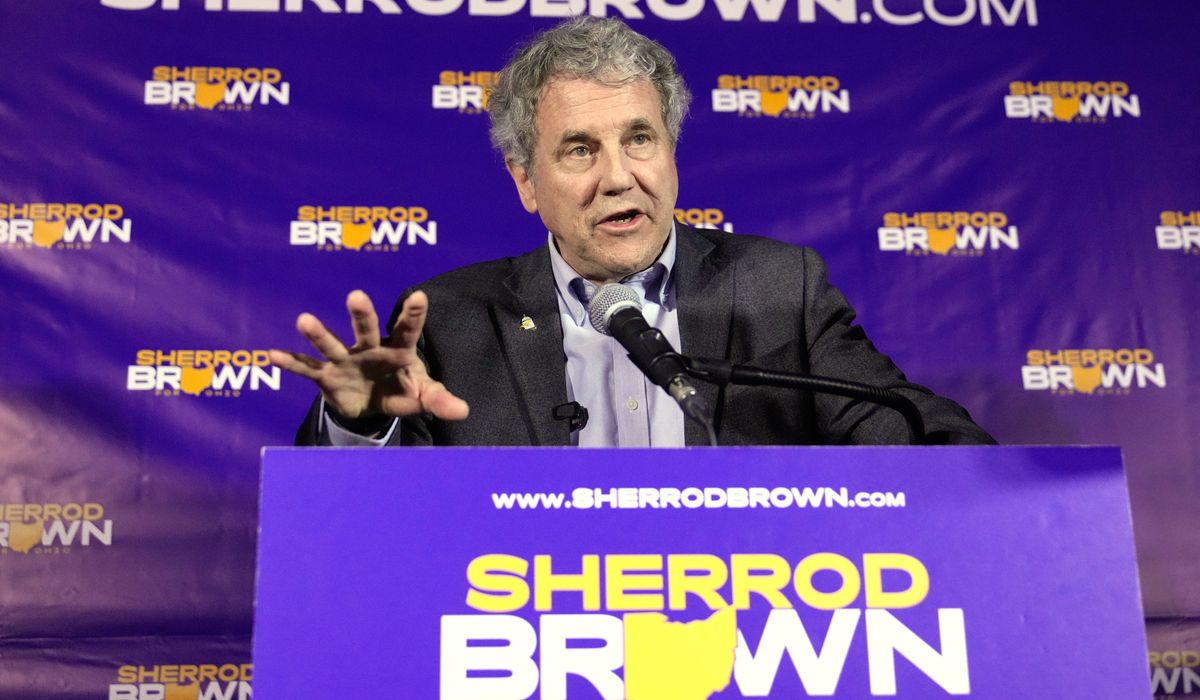
Sherrod Brown has rolled out another ad targeting Sen. Jon Husted for his previous backing of data center development, and the campaign dustup is shaping up as a clear contrast over jobs, taxes, and energy policy.
Sherrod Brown is out with another ad hammering Sen. Jon Husted over his past support for data centers. The spot frames Husted as someone who sided with big tech and corporate incentives at the expense of Ohio voters, a familiar line in this race. Republican defenders say the ad distorts the facts and misses why communities pursue these projects.
Data centers can easily become a lightning rod because they combine high-tech investment, heavy energy use, and often complex tax arrangements. Supporters argue they bring construction work, long-term operations jobs, and growth for local suppliers. Opponents focus on incentives and environmental concerns, painting a simple narrative that plays well on television but rarely captures every local nuance.
From a Republican vantage point, Husted’s past positions look like classic pro-growth choices. He backed private investment that promised to update infrastructure and expand the tax base, and he argued for policies that encourage businesses to locate in Ohio. Framing those decisions as corporate giveaways ignores the real economic tradeoffs communities face when competing for projects.
The ad’s strongest visuals and lines are aimed at jolting voters, and those tactics work because they reduce a complex debate to a single, emotional takeaway. Campaign ads rarely walk viewers through regulatory tradeoffs or grid reliability planning. That’s why voters should ask specific questions about jobs created, long-term tax impacts, and how utilities will handle increased demand.
Energy is the practical center of the debate over data centers, not just campaign rhetoric. Modern facilities are power-hungry, and their growth forces local planners and utilities to confront supply, reliability, and costs. Republicans pressing for more production and better grid policy argue that reliable, affordable power is the real solution, not demonizing investment that can also bring benefits.
Another angle missing from the ad is the role of state-level predictability in attracting capital. Companies want certainty on taxes and permitting before they commit to large projects. Husted’s supporters say steady rules and a business-friendly climate bring sustained investment and prevent jobs from moving to other states with clearer policies.
Cost and community impact are fair questions, and Republicans should answer them directly rather than retreat to slogans. Local leaders need to negotiate terms that protect taxpayers and ensure benefits, while state officials should push for transparency so voters can assess real outcomes. That kind of ground-level accountability beats abstract attacks on a campaign ad.
Brown’s ad also taps into broader concerns about corporate power and data privacy, themes that resonate across the political spectrum. Republicans can acknowledge those worries while still arguing that economic development and innovation should not be reflexively shut down. Sensible oversight and clear rules are not incompatible with growth.
The debate over data centers will keep surfacing because technology sits at the intersection of economic development and public policy. Voters deserve clear answers on whether projects expand job opportunities, how revenues and costs are shared, and what safeguards exist for community resources. Campaign commercials are a start, but they are not the whole story.
In the end, the choice presented by the ad is a broader one about how Ohio balances growth and governance. Republicans will push the case that policies encouraging investment, paired with smart oversight, are the best path to durable prosperity. That argument will have to stand on facts, project-specific details, and whether communities that welcomed these investments actually saw lasting benefits.

