

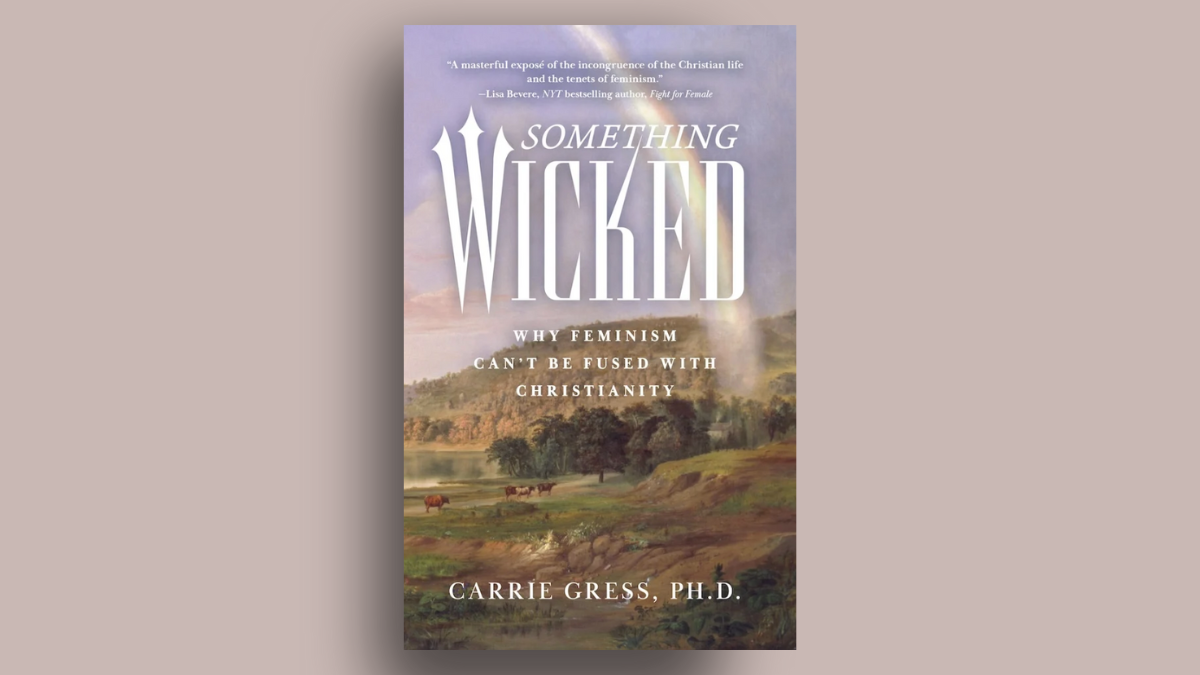
Something Wicked forces a serious look at an ideology that treats individual autonomy as an absolute good, even when it crushes the lives of others. It challenges the idea that freedom is meaningful only when it stops at the next person’s nose. This piece argues that a healthy society balances liberty with responsibility and that reckless autonomy corrodes the institutions that protect us all.
Too many modern arguments celebrate autonomy without asking what it costs the community. When individual choices harm neighbors, undermine public safety, or erode shared norms, the result is not freedom but social decay. Conservatives believe liberty must come with duty, or it becomes license that rewards the loudest and most destructive behaviors.
The temptation to treat personal preference as sacrosanct shows up everywhere, from education to public health to property rights. Left unchecked, this mindset lets special interests game systems meant to serve everyone and creates a patchwork of rights that favor the well-connected. A practical, conservative approach insists on clear rules that preserve opportunities while protecting vulnerable citizens from the fallout of unfettered autonomy.
History teaches that societies thrive when individuals are free to pursue their goals within a framework of law and shared responsibility. That framework depends on stable institutions: families, schools, churches, and legal systems that enforce contracts and punish harm. When ideology elevates personal desire above these institutions, it weakens the checks that make markets and communities work.
There is also a moral case against pure autonomy. Rights without duties erode trust, and without trust markets and civil life break down. Republicans argue that the best kind of freedom is one that respects neighbors, honors commitments, and recognizes limits. This kind of freedom secures opportunity rather than simply celebrating the ability to do whatever one wants.
Practical policy follows from that moral stance. Rules should protect property, support family structures, and ensure public safety so people can exercise genuine freedom. Accountability for actions—whether in business, online, or in the public square—keeps markets honest and institutions resilient. When the law treats harmful behavior as acceptable, it signals weakness and invites more damage.
We must also be realistic about the social consequences of radical autonomy framed as progress. Ending norms for the sake of expression often leaves communities fragmented and the least advantaged worse off. Republicans support policies that strengthen civic bonds and restore expectations that people will meet obligations to one another, because those expectations are the glue of prosperous, stable societies.
Finally, defending a responsible notion of liberty means standing up to ideologies that romanticize disruption. Progress is valuable when it improves lives, not when it simply upends structures for the sake of novelty. Holding firm to laws and customs that protect others is not anti-freedom; it is the practical guardrail that ensures liberty benefits everyone.

