

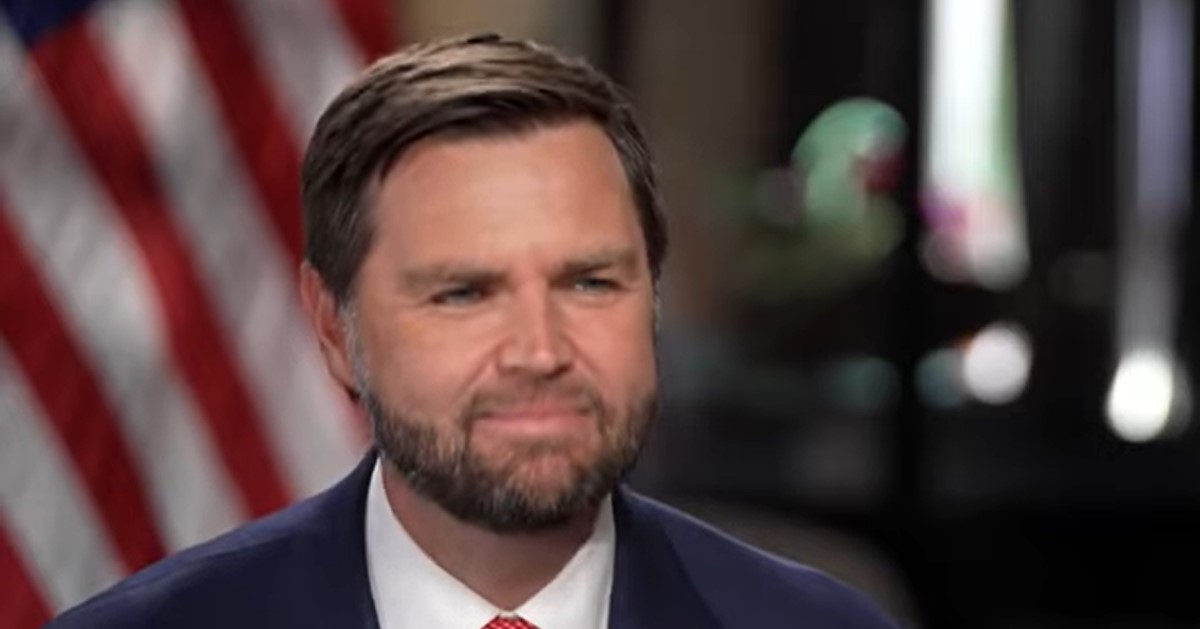
The Supreme Court heard NRSC v. FEC, a high-stakes fight over party-candidate coordination limits that could reshape campaign finance, featuring cautious questioning from several justices and surprising quiet from two conservative members as Republicans push to restore party power against super PAC dominance.
The court convened on December 9, 2025 to weigh NRSC v. FEC, where Vice President JD Vance and Republican campaign committees are challenging long-standing limits on coordination between parties and candidates. The dispute targets statutory caps that can range from about $60,000 up to $4 million depending on the contest. Republicans argue those caps cripple party efforts while outside groups spend freely without coordination rules.
This fight is not abstract for campaigns; it goes to how political machines can operate when opposition spending surges. Party operatives say they are being forced to watch super PACs dictate the airwaves without the ability to respond in a coordinated way. The case could either restore some balance or leave parties sidelined forever.
During arguments, conservative justices showed mixed signals, with some clearly leaning toward revising the limits and others probing the risks. Justices Samuel Alito and Clarence Thomas signaled openness to overturning restraints, while Chief Justice John Roberts pressed both sides with sharp questions that kept the stakes front and center. The questioning suggested a real appetite among several conservatives to revisit the statute.
At the same time, Justice Brett Kavanaugh pushed back on a wholesale scrapping of the rules, warning about the danger of obvious corruption if parties and candidates coordinate without guardrails. He said, “You’re not going to want that cited back to you in a couple of years,” signaling worry that tear-downs could be weaponized politically (Justice Brett Kavanaugh). His comment made clear caution matters even for justices inclined to loosen limits.
The liberal justices made their position plain, emphasizing corruption risks and the need to keep barriers between parties and outside money. Justice Elena Kagan argued the difference between party expenditures and super PACs, asserting, “The super PAC can’t be coordinated. And these party expenditures can be coordinated so they’re more helpful to the candidate” (Justice Elena Kagan). Their skepticism frames the issue as one of corruption prevention rather than partisan advantage.
Most striking was the silence from Justices Neil Gorsuch and Amy Coney Barrett during oral argument. Barrett asked only one question about whether national party committees were truly aligned on the issue and then fell quiet, while Gorsuch offered little commentary throughout. Their restraint left observers guessing which way two pivotal votes might tilt.
That quiet matters, because in a close case two conservative votes could determine whether parties regain authority to coordinate. Republicans are understandably anxious that a surprise decision could undercut party strategy just before major election cycles. The court’s final alignment will shape who drives messaging and resource deployment in future fights.
Republican campaign officials argue the current rules hobble parties while super PACs operate with unlimited funds and little transparency. Parties cannot coordinate with super PACs, but without similar limits on outside groups, the law creates an uneven battlefield. Restoring some ability for parties to act would be framed as restoring fairness, not as opening the floodgates.
Legal defenders of the limits pushed back hard, raising procedural hurdles and questioning whether Vance even has standing to bring the case. Attorney Roman Martinez argued procedural issues, noting, “President Vance has repeatedly denied having any concrete plan to run for office in 2028” (Roman Martinez). That line of defense sought to knock the case off on technical grounds rather than argue the underlying policy merit.
Procedural fights like standing can be powerful tools to keep controversial rulings off the books, and conservatives say that is precisely why the merits must be addressed now. If courts punt on standing or other technicalities, the imbalance favoring outside money remains untouched. Republicans want a clear ruling, not a sidestep that leaves the problem in place.
The stakes extend beyond party mechanics to voter choice and accountability. When super PACs control messaging, candidates and parties have less ability to explain their platforms and respond to attacks in a coordinated, responsible way. Conservatives argue that does a disservice to voters who deserve clear, accountable campaigns led by parties rather than anonymous cash machines.
Observers also noted the political optics: Republicans pressed to rebuild party infrastructure, while Democrats tend to defend the status quo that benefits entrenched outside spending. That contrast frames the case as a partisan struggle over who gets to organize and who gets to dominate airwaves. In plain terms, it’s about power over message and resources ahead of decisive contests.
A decision is not expected until mid-2025, and the waiting game is intense on both sides. For Republicans, the outcome could mean the difference between parties being active players or passive bystanders in elections. The potential to alter campaign finance rules on the scale of Citizens United looms large in conservative strategy conversations.
Until the court rules, campaigns, donors, and operatives will be recalibrating plans based on any hint of how the justices are leaning. Silence from key figures only fuels speculation, while pointed questions from others add clarity about concerns the court is taking seriously. Whatever the ruling, it will reverberate through how future campaigns are run and financed.
The debate is raw and consequential: it mixes legal twists with raw political strategy and constitutional arguments. Republicans see an opening to give parties the tools they need to compete against unconstrained outside spending, and they will press that case until the court hands down a decision. The country is watching how the justices will balance anti-corruption concerns with a fair shot for parties to fight back.

