

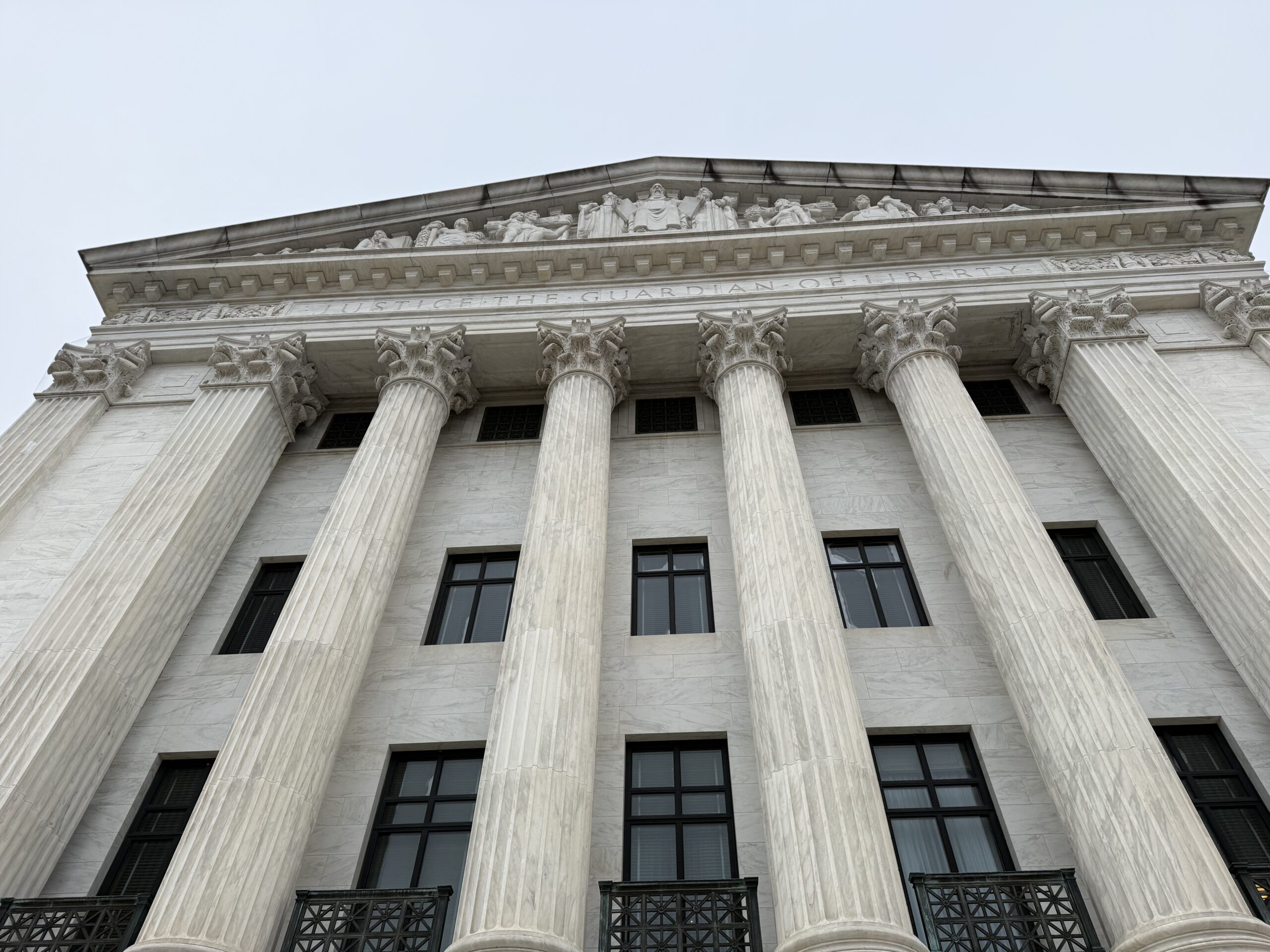
NRSC v. FEC puts a central question in front of the courts: can rules limits on coordinated spending between candidates and their parties survive constitutional scrutiny. The case probes whether those limits improperly restrict political speech and association. It will shape how campaigns and party committees communicate and spend as elections approach.
This case focuses on the so-called coordinated spending rules that treat joint planning between a candidate and a party as different from independent political speech. Republicans argue that when a candidate and a party coordinate on messaging, they are simply exercising collective speech and association. Opponents say coordination can hide contributions and skirt disclosure, so the law treats it like a contribution subject to limits.
The constitutional core is straightforward: do these restrictions violate the First Amendment rights of parties and candidates to speak and organize together. From a Republican viewpoint the concern is that broad limits choke off effective political communication and penalize teamwork that voters expect. Courts sympathetic to free speech worry that treating coordination as a contribution is a blunt instrument that sweeps in ordinary campaign activity.
The practical stakes are clear for party committees like the National Republican Senatorial Committee. Parties coordinate strategy, messaging, and turnout efforts with candidates in ways that look like natural political work. If the rules are upheld in their current form, parties risk fines or limits whenever they try to help a candidate with ads, data, or strategic advice close to an election. That would change how campaigns and parties operate and undercut efficient use of resources.
Legal advocates for the NRSC emphasize precedent that protects political speech and warns against treating every cooperative campaign act as a regulated contribution. They argue that the government should have to show a strong interest and a precise fit when regulating speech tied to elections. Conservatives generally push courts to apply strict scrutiny when laws limit political coordination because the risk of chilling core political expression is high.
The Federal Election Commission and its allies counter that coordination creates a loophole around contribution limits and disclosure rules, which are meant to prevent corruption and inform voters. They frame the restrictions as modest and necessary guardrails to keep money and influence transparent. Republicans respond that transparency is important but should not be a pretext for banning normal communication between a party and its candidate.
One effect of a ruling in favor of the NRSC could be a clearer boundary between independent expenditures and legitimate party-candidate collaboration. That clarity matters to campaigns scrambling to plan messaging, especially late in the cycle when coordination is often most effective. If the court trims the FEC’s reach, parties will regain flexibility to respond to opponents and engage voters without fear of technical violations.
If the court upholds the restrictions, party committees will likely adapt with stricter internal walls and more cautious behavior around candidates. That could raise costs and reduce the speed of campaign responses, which favors incumbents and well-funded outside groups that can operate more independently. Republicans worry that such a result distorts political competition by making it harder for party organizations to do their job.
Beyond immediate campaign mechanics, NRSC v. FEC will send a broader signal about how the courts balance anti-corruption goals against robust political speech. For those who prize a vigorous two-party system and clear lines of accountability between candidates and their parties, the case is about protecting ordinary political cooperation. The decision will matter on Election Day and for every cycle that follows.

