

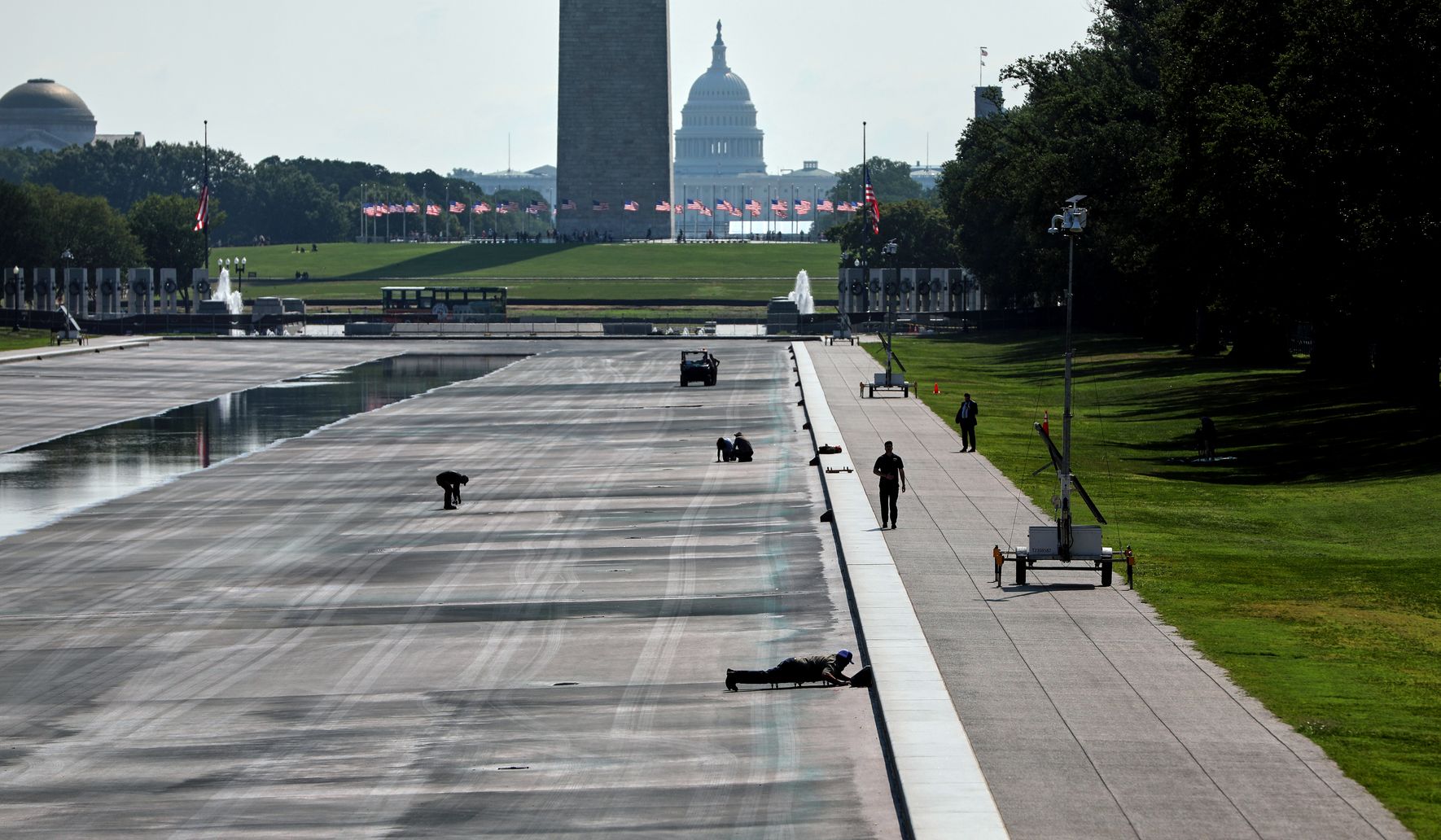
The Lincoln Memorial Reflecting Pool needs more than patchwork fixes, and the bill is getting expensive fast.
The Trump administration is paying $2.7 million to repair the Lincoln Memorial Reflecting Pool again, 10 weeks after the more than its $16 million renovation was completed. That follow-up payment raises clear questions about the procurement and oversight behind a high-profile federal renovation. The story is about stewardship of public monuments and taxpayer accountability.
The reflecting pool sits at the heart of the National Mall and carries symbolic weight beyond its water and stone. When public projects fail so quickly, it undermines confidence in how Washington spends money and how contractors are managed. For conservatives who prioritize limited government and fiscal responsibility, this is a red flag worth fixing.
An immediate issue is the mismatch between promised renovations and actual durability. Spending more than $16 million only to need another $2.7 million within weeks suggests corners were cut somewhere—whether in materials, installation, or inspections. Taxpayers deserve a clear accounting of what went wrong and why repairs are necessary so soon.
Contracting practices deserve a hard look. Was a low bid rewarded without adequate vetting of experience and quality controls? Or did the scope change after contracts were signed, driving unexpected fixes and costs? Either way, better oversight and clearer performance bonds could reduce the risk of repeat expenses.
The Department of the Interior and the National Park Service both share responsibility for the Mall, and both should explain the decision-making chain. Republicans can push for sharper audits and quicker transparency so the public isn’t stuck guessing about failure points. Accountability isn’t just rhetoric; it’s about preventing repeat problems and saving money down the road.
Another angle is the role of design and engineering in long-term performance. Historic sites need work that respects legacy while using modern techniques that last. If new materials or methods were experimental or poorly matched to existing structures, that should be documented and corrected in future projects.
Weather and usage patterns are also legitimate factors to consider, but they do not absolve project managers of responsibility. A well-executed renovation anticipates seasonal stresses and heavy foot traffic, and includes maintenance plans to prevent rapid deterioration. Contracts should include enforceable warranties tied to real performance, not vague promises.
There’s also an optics problem for a federal government already criticized for wasteful spending. When repairs pile on, each subsequent price tag becomes harder to defend to voters who expect careful stewardship. Conservative lawmakers should press agencies for timelines, inspection reports, and a clear plan to stop surprise bills.
Some practical steps are straightforward: require more rigorous pre-award reviews, hold contractors to stronger warranty obligations, and publish inspection results promptly. Independent third-party reviews could be mandated for projects above certain thresholds so one agency’s blind spots don’t become everyone’s expense. Those reforms protect historic assets and taxpayer dollars at the same time.
Finally, the Lincoln Memorial is a national symbol, not just a line item in a budget. Preserving it matters, but doing so responsibly matters even more. Americans of all stripes benefit when monuments are maintained with skill, foresight, and respect for the public purse.
Moving forward, the right questions are simple: who approved the work, who certified it as complete, and who will be held accountable for the additional $2.7 million? The answers should be public, prompt, and backed by documentation so this kind of follow-up spending doesn’t become the new normal.

