

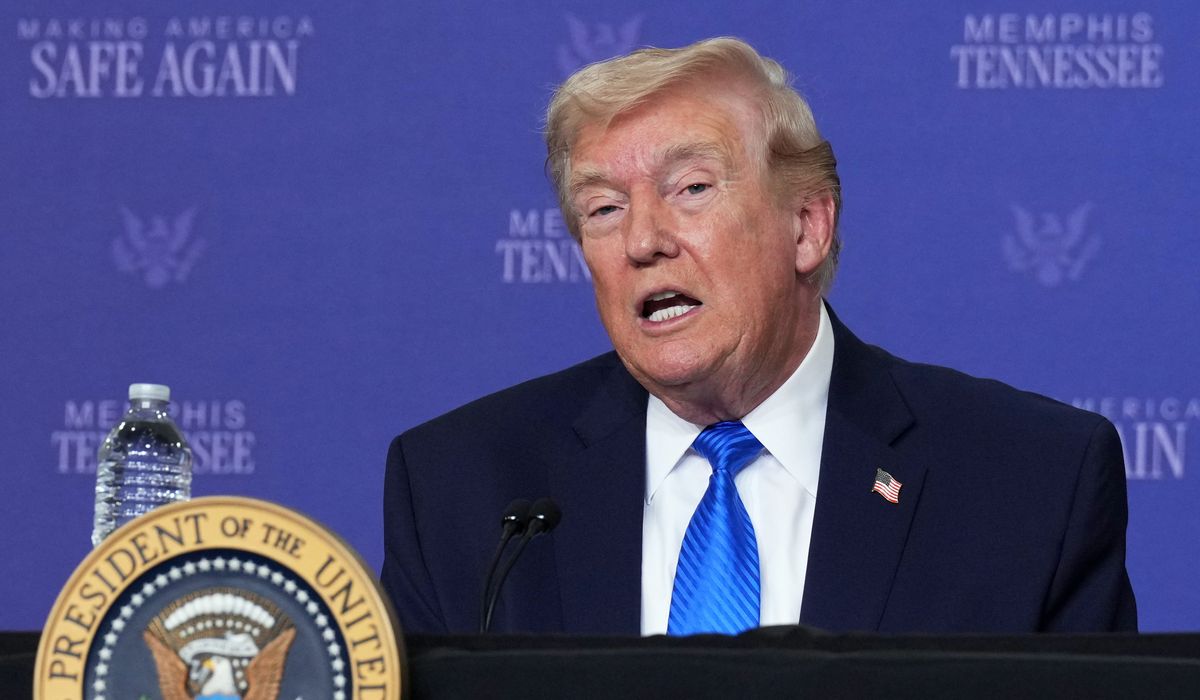
President Trump warned Iranian negotiators they must be serious about reaching a deal to end the war, or face significant consequences, and he urged tougher negotiating leverage rather than soft engagement.
President Trump spoke plainly on Thursday, telling Tehran that its negotiators “better get serious” if they want a deal to stop the fighting. His tone was unmistakable: diplomacy is on the table, but only if Iran shows real willingness to change behavior and accept terms that guarantee a durable peace.
That blunt message reflects a Republican view that tough bargaining and clear consequences produce results. Supporters argue that past weakness invited trouble, so insistence on enforceable commitments and accountability is essential to prevent future aggression.
The demand for seriousness is about leverage more than words, and it signals readiness to follow through. If Iran drags its feet, Washington and allied partners could respond with coordinated pressure across economic, diplomatic, and operational arenas to compel compliance.
At the center of this approach is a preference for verifiable agreements, not ambiguous promises. A deal without strong verification risks empowering Tehran to stall while continuing destabilizing actions on the ground and in the region.
Republican policymakers tend to distrust open-ended concessions, insisting on clear benchmarks and immediate steps that reduce Iran’s capacity to fuel conflict. That means linking relief or normalization to concrete changes in Iranian behavior, including halting support for proxy forces and ceasing strikes that threaten civilians and U.S. interests.
There is also a strategic calculation about timing and optics: showing strength now can shorten the path to peace later. When negotiators see a unified, determined stance from the U.S. and its partners, it pressures adversaries to accept realistic terms rather than hold out for unrealistic gains.
Practical enforcement mechanisms matter, too: inspections, third-party verification, snap-back penalties, and clear military deterrence options are all part of a credible package. Without those elements, critics warn, agreements become fragile and easy to exploit.
Trump’s warning is a reminder that diplomacy and deterrence are two sides of the same coin, and that strong leadership often means setting firm demands at the outset. If Iranian negotiators respond with seriousness and tangible concessions, a negotiated end to the fighting remains possible; if not, tougher measures will be inevitable to protect American interests and regional stability.

