

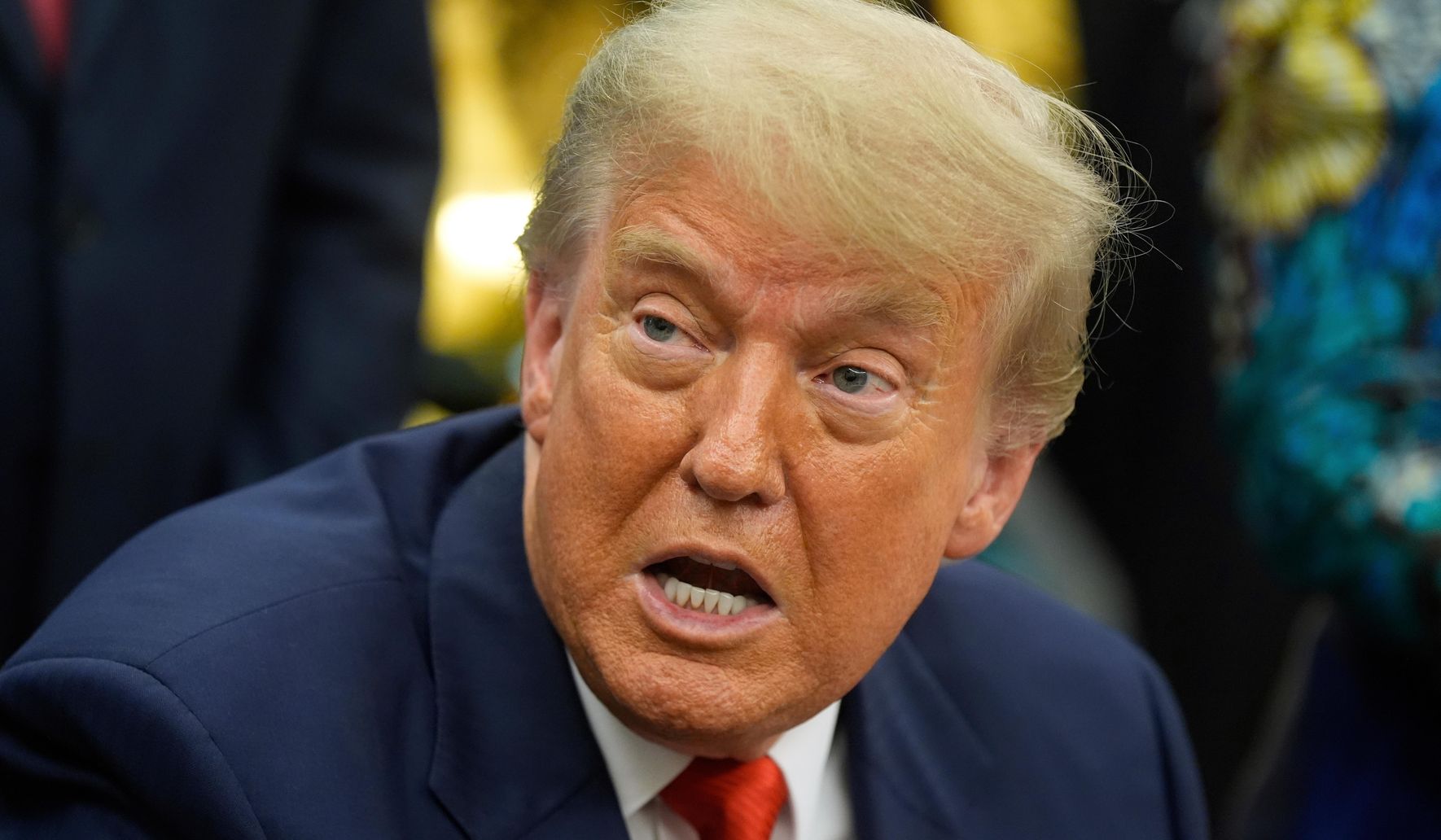
President Trump will outline his plan to tackle persistent inflation and economic concerns during a stop in the Poconos region of Pennsylvania on Tuesday, effectively kicking off a midterm season that puts the economy front and center for voters.
This visit to the Poconos is more than a campaign stop; it is a policy moment. Mr. Trump will lay out concrete steps he says will bring prices down, restore growth, and give working families more breathing room. For Republicans, the pitch is simple: economic competence and common-sense reforms over uncertainty and rising costs.
Inflation remains the headline issue for many voters who are still feeling the pinch at the grocery store and the pump. The message coming from the campaign frames inflation not as an inevitable trend but as the result of bad policies that can be reversed. Expect a clear contrast between promises of policy-driven relief and the continuation of the same approaches that produced higher prices.
Pennsylvania is a key battleground where economic arguments land with real force. The Poconos stop matters because it reaches suburban and working-class voters who decide midterms. A focused economic pitch here aims to translate national concerns into votes by showing a plan that prioritizes paychecks, savings, and jobs.
On specifics, the plan as previewed emphasizes cutting unnecessary regulations, promoting domestic energy production, and encouraging business investment to expand supply. The case made is that reducing red tape and unleashing energy resources will lower costs across the economy. That logic appeals to voters who want durable solutions rather than temporary fixes or handouts.
Tax relief and predictable, stable policy are also central themes in the message. The campaign argues that lower tax burdens and clearer rules help families keep more of what they earn and let businesses plan for long-term growth. That approach is presented as a contrast to higher taxes and shifting regulations that make the economy harder to navigate.
Aside from policy, the visit signals intensity and organization heading into the midterm season. A strong early pitch on the economy sets the tone for coordinated messaging that Republican candidates can adopt nationwide. The campaign is using the stop to create a unified narrative around prosperity, security, and opportunity.
Critics will say the plan oversimplifies complex economic forces, but supporters counter that leadership and policy direction matter more than theory. The argument is that decisive actions to boost supply, encourage investment, and lower costs will translate into tangible relief for families. That straightforward reasoning plays well in towns and suburbs that feel left behind by recent economic trends.
Local voters in Pennsylvania will be listening for concrete timelines and measurable goals rather than vague promises. The plan’s credibility will hinge on clear steps and examples of how change would affect ordinary households in the months ahead. The campaign is betting that voters prefer policies that aim to restore stability and predictability.
Finally, the stop is a reminder that midterms are often decided on pocketbook issues, and that economic confidence can shift momentum fast. For Republicans, the strategy is to keep the debate on wages, prices, and opportunity while offering a positive alternative to the status quo. In the Poconos and beyond, the message will be consistent: practical reforms to get the economy working for everyone again.

