

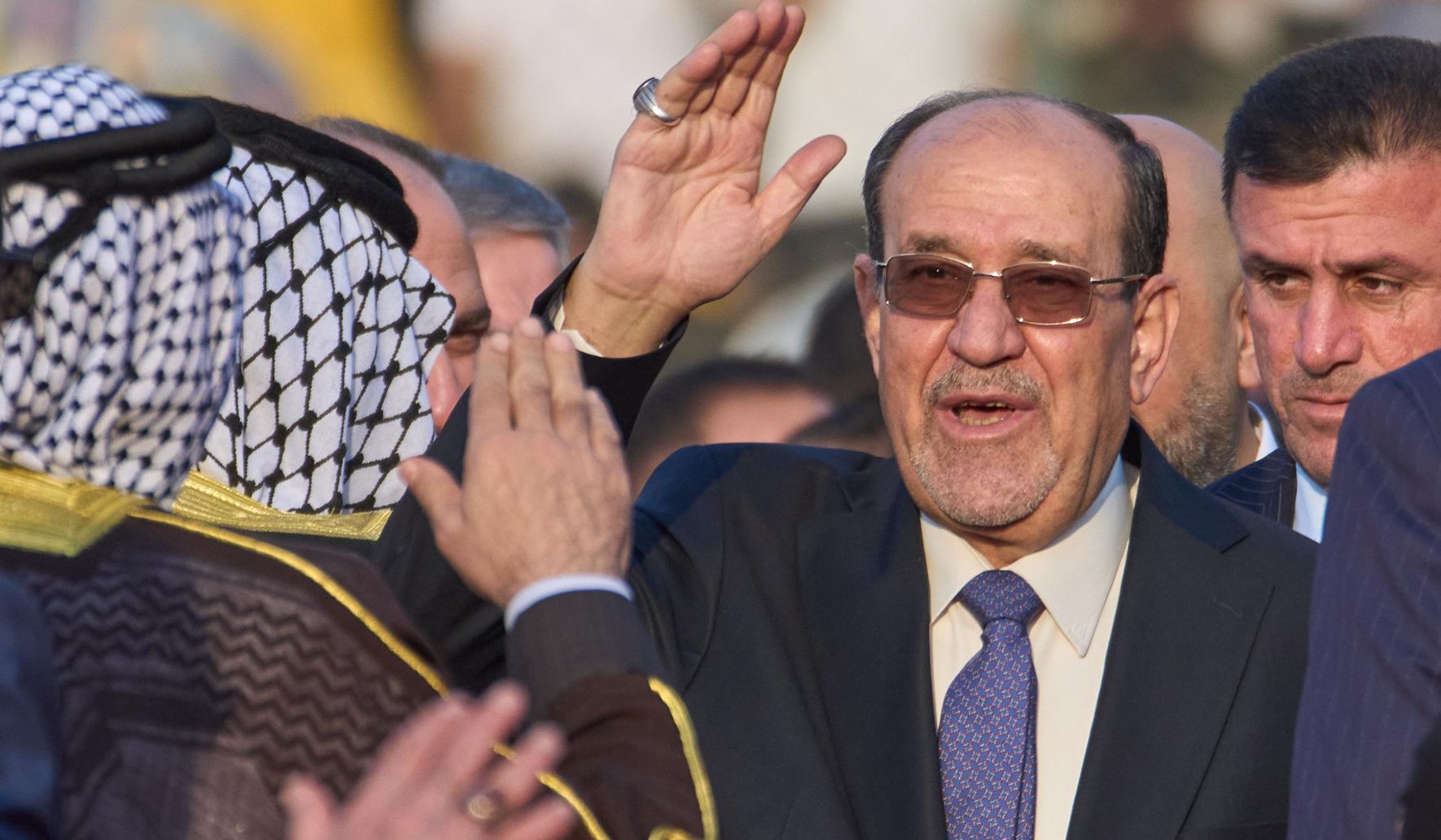
President Trump publicly warned Baghdad that U.S. backing could be withdrawn if Nouri al-Maliki becomes prime minister again, a stand that shifts leverage, complicates Iraq’s internal politics, and raises questions about American strategic interests in the region.
President Trump has taken a blunt stance toward Iraq’s political direction, signaling a clear limit to Washington’s patience. That posture sends a message to Baghdad and Tehran that U.S. support is conditional and can be used as leverage. The move puts pressure on Iraqi leaders scrambling to form a government while reminding regional actors of the costs tied to their choices.
“President Donald Trump warned Iraq on Tuesday that the U.S. would no longer support the country if its former prime minister, Nouri al-Maliki, returns to power.”
Nouri al-Maliki’s potential comeback matters because of his record and political alliances. His prior premiership is associated with sectarian governance and policies that many critics say opened the door to Iranian influence. For Republicans, the concern is twofold: a Maliki return could undermine Iraqi sovereignty while empowering Tehran, and it would reward behavior that runs counter to U.S. interests.
The administration’s tactic is straightforward: use diplomatic and material support as carrots and sticks. That is the kind of clear-eyed statecraft Republicans favor, treating American assistance as strategic leverage rather than an unconditional guarantee. It also forces Iraqi politicians to weigh domestic ambitions against the tangible risk of losing foreign backing, which could affect reconstruction funds, security cooperation, and counterterrorism efforts.
Iraq’s internal scene is messy, with coalitions forming and dissolving as parties jockey for power. Many Iraqis want a government that delivers services and security, not one driven by old rivalries or outside patrons. A Maliki comeback would likely deepen factional divides and spark protests, making stabilization harder and increasing the likelihood of renewed violence. From a Republican perspective, that instability would be unacceptable when U.S. interests and personnel are at stake.
Strategically, the United States has hard choices ahead about basing, troop presence, and intelligence sharing. Pulling back support is not a simple on-off switch; it has ripple effects across the region, including increased Iranian sway and reduced ability to counter jihadist threats. Republicans generally argue that America must protect its interests while avoiding policies that simply cede ground to adversaries through inaction or muddled commitment.
This moment also tests Iraqi independence. If Baghdad bows to pressure from Tehran or domestic actors aligned with Iran, it will reflect poorly on the promise of a sovereign Iraqi state resistant to outside domination. The Trump message aims to prevent that outcome by making the costs explicit. It is a hardline approach, but one that resonates with voters who want clear consequences for choices that jeopardize U.S. allies and regional security.
Diplomacy will matter in the weeks ahead, as U.S. officials, Iraqi leaders, and regional powers negotiate the fallout. The situation is a reminder that political leadership in Baghdad has direct consequences for regional balance and for the safety of American service members. Republicans will emphasize steady pressure combined with practical offers for cooperation to shape results in a way that safeguards American interests.
At stake are more than personalities; this is about whether Iraq tilts toward independence and pluralism or gravitates toward external domination and factional rule. The Trump warning makes clear the White House intends to influence that direction, and it signals to allies and adversaries alike that U.S. support is contingent, strategic, and ready to be adjusted based on Iraq’s choices.

