

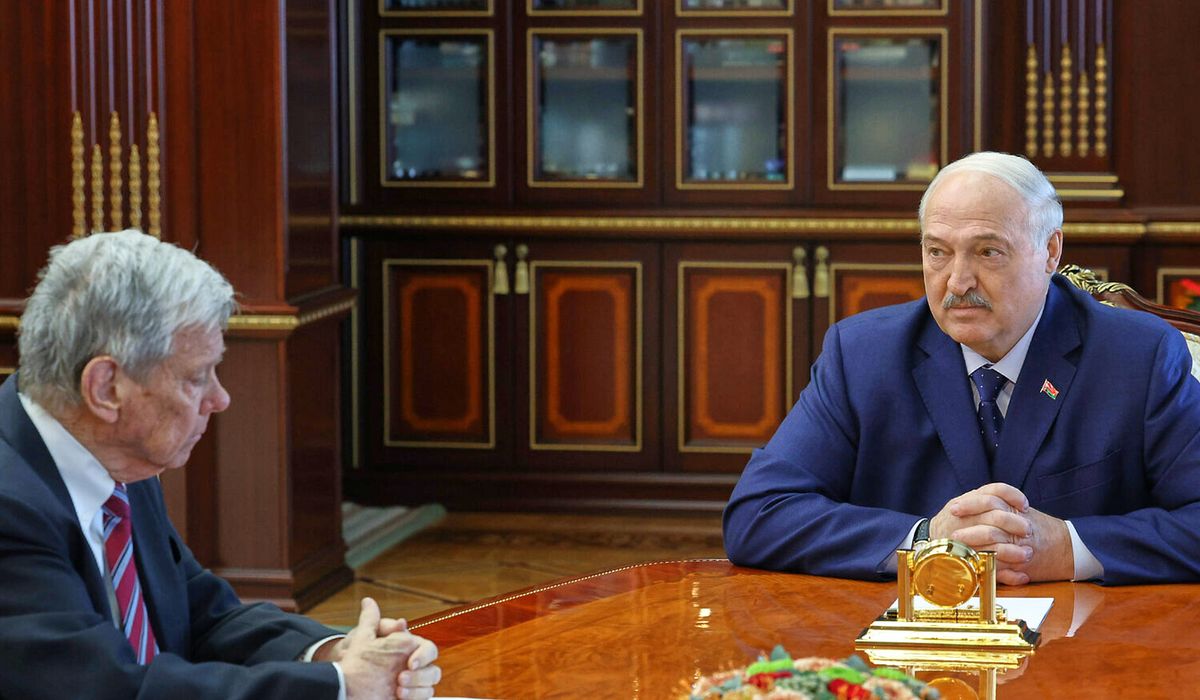
President Trump’s envoy to Belarus says he won favor with Alexander Lukashenko by mirroring the leader’s disdain for outside interference, and that hands-on, tougher diplomacy can open doors where lectures fail.
A recent disclosure from President Donald Trump’s special envoy to Belarus lays out a blunt, results-focused approach to dealing with authoritarian rulers. He said he ingratiated himself with Alexander Lukashenko by echoing the leader’s disdain for outside interference, a tactic that isn’t pretty but, he argues, produced access. The admission has set off predictable media hand-wringing, but it also sparks a useful debate over how to protect American interests abroad.
This envoy’s playbook leaned into respect for national pride and local sensitivities rather than hectoring from a distance. That kind of approach recognizes that many foreign leaders respond better to firm, direct engagement than to moralizing speeches. From a conservative standpoint, the goal is clear: secure American interests and stability, even when dealing with unsavory regimes. Ideals matter, but so do outcomes, and sometimes outcomes require pragmatic choices.
Critics will call such tactics appeasement, but the alternative—cutting off communication and leaning solely on sanctions or public rebuke—has limits. Sanctions can be useful, but they are blunt instruments that can harm citizens more than rulers and often fail to change behavior. Open doors can yield tangible intelligence, prisoner negotiations, and leverage that closed-door posturing simply cannot. The envoy’s candor about tactical alignment with Lukashenko exposes how diplomatic tools are chosen for effect, not for virtue signaling.
The episode also underscores a broader foreign policy divide. One side prefers a steady, stern presence that prioritizes alliances and deterrence, while the other leans on moral pressure and multilateral shaming. The Republican view tends to favor strength, predictability, and bargaining power, and this envoy’s actions fall squarely into that camp. Where friends and rivals alike see consistent American resolve, Washington gains bargaining chips it can use to protect interests and allies.
Of course, dealing with authoritarian governments raises ethical questions, and those must be acknowledged rather than dismissed. Conservative realists would note that engagement is not endorsement; it is a tool to influence outcomes and defend strategic priorities. When the discussion turns to human rights, diplomats can and should press those concerns, but they should do so from a position of power and access. The envoy’s method aimed to create that position rather than surrender it.
The domestic reaction reveals something about media expectations versus political reality. Reporters and commentators often prefer narratives that fit tidy moral categories: good versus bad, right versus wrong. In practice, diplomacy is messy and requires compromise and sometimes discomfiting conversations. A Republican perspective accepts that messiness as part of statecraft, preferring effective policy moves that safeguard American interests over virtue-posturing that leaves the U.S. isolated.
Moreover, the episode is a reminder that U.S. influence depends on a mix of credibility and capability. Talk without leverage is empty; leverage without strategy is reckless. The envoy’s willingness to adopt language and posture that resonated with Lukashenko was a tactical choice meant to preserve influence. Maintaining that influence allows the United States to shape outcomes, protect allies, and extract concessions when the moment is right.
Talk of norms and values will continue, and rightly so, but the tools chosen to promote them deserve scrutiny. A balanced approach recognizes that enduring American interests are best served by diplomats who combine firmness with flexibility. The envoy’s revelation offers a concrete case study: sometimes, engaging in language that flatters a ruler’s domestic stance can be the hinge that opens a door to practical gains. That pragmatic truth is not glamorous, but it is often essential.

