

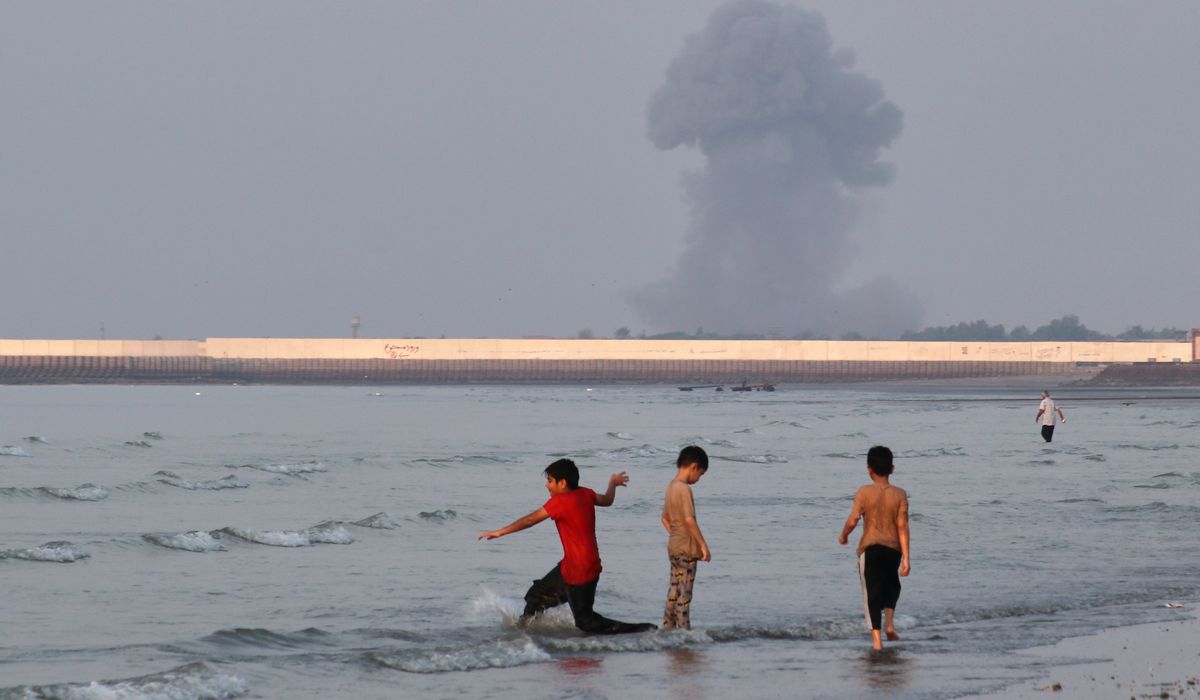
Iranian officials announced they control and manage the Strait of Hormuz, directly challenging President Trump’s claim that the United States is directing oil traffic through the waterway.
Iran’s declaration that it now “controls and manages” the Strait of Hormuz landed like a provocation aimed at the United States and global energy markets. Tehran framed the move as a demonstration of regional authority, while U.S. officials have pushed back, insisting American forces remain committed to keeping the shipping lanes open. That clash of messages matters because the strait is a choke point for global oil shipments and any disruption raises prices and risks for allies and consumers alike.
From a Republican viewpoint, the takeaway is simple: freedom of navigation must be defended and threats cannot be treated as mere rhetoric. The U.S. Navy and coalition partners have a clear interest in preventing any single power from imposing control over international waterways. Allowing Iran to claim operational command of the strait would set a dangerous precedent that rewards coercion and undermines global trade norms.
Strategically, Iran’s statement shifts the narrative away from its own isolation toward a posture of strength. Tehran benefits politically at home by projecting defiance against Washington, and it pressures Europe and regional states to respond. That posture complicates diplomacy because concessions to restore calm could be read as validation of Iran’s claim to regional dominance.
Economically, the risk is immediate. A credible threat to tankers and oil flows drives up insurance costs, rerouting expenses, and ultimately higher prices for American consumers. Republicans argue that energy security is national security, and any move that jeopardizes reliable supply lines must be countered with a mix of military readiness and economic measures, not appeasement.
Militarily, the U.S. can make clear that control of international sea lanes is not negotiable. Presence and deterrence matter; persistent patrols, joint exercises with allies, and clear rules of engagement send a message that the United States will not cede its role in ensuring safe passage. Those actions protect commerce and signal to Tehran that aggression has costs.
Diplomacy still has a role, but it cannot be one-sided. Talks that ignore Iran’s provocative behavior would embolden further coercion. A Republican approach favors tying any diplomatic openings to verifiable changes in behavior, increased transparency, and restraint in maritime operations, rather than symbolic acknowledgments of Iranian jurisdiction over the strait.
Sanctions and economic pressure remain effective levers and should be calibrated to penalize destabilizing behavior without harming international partners. Targeted measures against entities involved in maritime harassment or support for seizures of vessels can raise Tehran’s costs. At the same time, reinforcing energy independence reduces leverage that hostile actors might exploit.
Regional partners also need reassurance and a clear plan for shared security. Gulf states, Saudi Arabia, and Israel have stakes in keeping shipping lanes open, and a coordinated posture amplifies deterrence. Building interoperable capabilities and intelligence-sharing frameworks gives the United States and allies the tools to respond swiftly if Iran escalates at sea.
Ultimately, the message to Tehran should be clear and direct: no single power will be allowed to dominate international straits through coercion. The United States must combine presence, pressure, and pragmatic diplomacy to preserve open sea lanes and protect American and allied interests. Any claim to exclusive control over the Strait of Hormuz will be met with firm resistance and practical measures to keep commerce flowing.

