

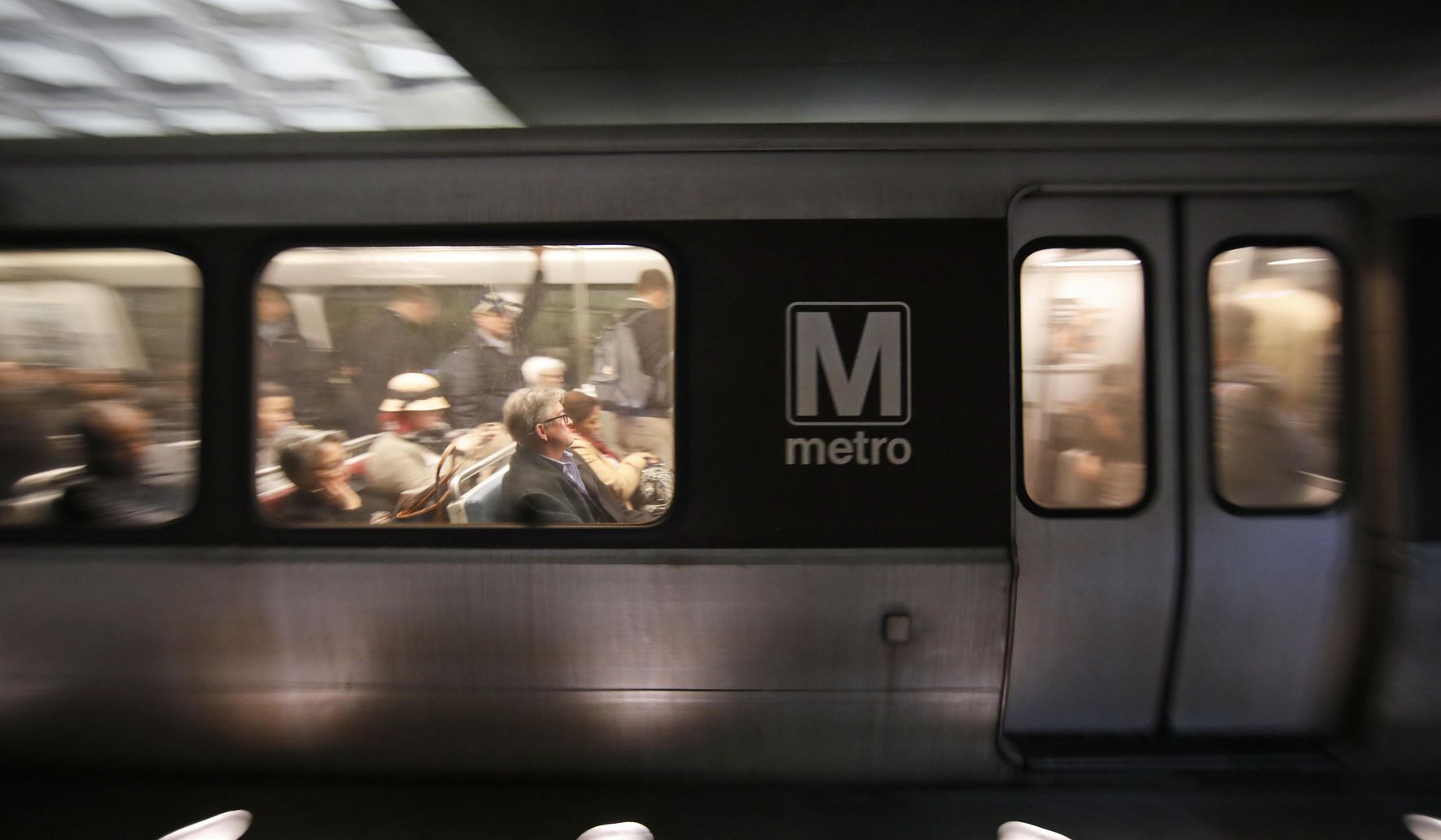
A person described as a “trespasser” was struck and killed by a Metro train at the Brookland-CUA station Friday afternoon, prompting an immediate emergency response, service disruptions and a police investigation that is now ongoing.
The incident at Brookland-CUA unfolded Friday afternoon when a Metro train struck an individual who had entered the track area. Authorities identified the individual as a “trespasser,” and emergency responders were on scene quickly. The person was pronounced dead at the location.
Metro police and city first responders secured the station and blocked access to the affected platform to preserve the scene. Commuters were evacuated from adjacent areas while crews worked, and investigators began interviews with witnesses. The immediate priority was safety and preserving evidence.
Trains through the station were delayed or rerouted as operators coordinated with investigators and technicians. Typical protocol in these situations includes slowing or suspending service until the scene is cleared and investigators give the all-clear. Riders experienced longer wait times and service adjustments during the afternoon rush.
Any time someone is on the tracks the risk is extreme, and this event underscores that danger. Metro infrastructure is not designed for pedestrian access, and even experienced personnel follow strict rules when working near live rails. Transit agencies repeatedly warn the public about the hazards of stepping past platform edges.
Investigators will review station CCTV, operator logs, and radio communications to reconstruct what happened. Transit police work with city detectives to determine the sequence of events and whether criminal charges or other actions are warranted. This is standard procedure after a fatality on the tracks.
Witnesses at the station described a chaotic scene as emergency crews arrived, with commuters looking on and staff managing crowds. Train operators and platform personnel are trained to respond to emergencies, and many remain on site to provide statements. Those on the platform reported both shock and concern for the victim.
Police language matters in reports, and the description “trespasser” reflects the agency’s initial classification of the situation. That term is used when someone is found in an area not open to the public or where access is unlawful. Legal and operational consequences are handled separately from the immediate rescue and investigative work.
Officials will also consider whether any signal or equipment issues played a role, though there is no suggestion of that so far. Maintenance teams routinely inspect tracks and systems, but human presence on the right-of-way is a common factor in these tragedies. Authorities will rule out mechanical causes as part of their review.
Broader issues often come up in the wake of such incidents, including outreach to those experiencing homelessness or mental health crises near transit lines. Agencies coordinate with social services to try to prevent dangerous situations, and community groups sometimes assist in outreach efforts. Prevention requires both enforcement and support systems.
Metro’s safety messaging focuses on platform awareness, using tactile strips, and keeping a safe distance from track edges. While some systems use additional physical barriers, the core message remains rider vigilance and following posted rules. Transit staff emphasize reporting unsafe behavior rather than intervening directly.
For commuters, the immediate takeaway is to follow station announcements and staff directions when incidents occur. Avoid speculating or using phone video in ways that could interfere with emergency operations. Cooperating with instructions helps crews clear the scene and restore regular service more quickly.
After investigators finish their on-site work the station will reopen, typically once evidence collection and safety checks are complete. Operational teams will test signaling and track circuits before allowing trains to pass at normal speed. Riders should expect some lingering delays as normal service ramps back up.
The human toll of a track fatality extends beyond transit schedules; it affects staff, riders and the victim’s loved ones. Colleagues and witnesses often receive critical incident support to process what they experienced. Community members sometimes leave flowers or notes, though official channels handle notifications to next of kin.
Authorities continue collecting information and ask anyone with relevant footage or observations to contact transit police. Tips from the public can help reconstruct moments that CCTV does not capture. The ongoing investigation aims to clarify how this person came onto the tracks and what, if anything, could have prevented the outcome.

