

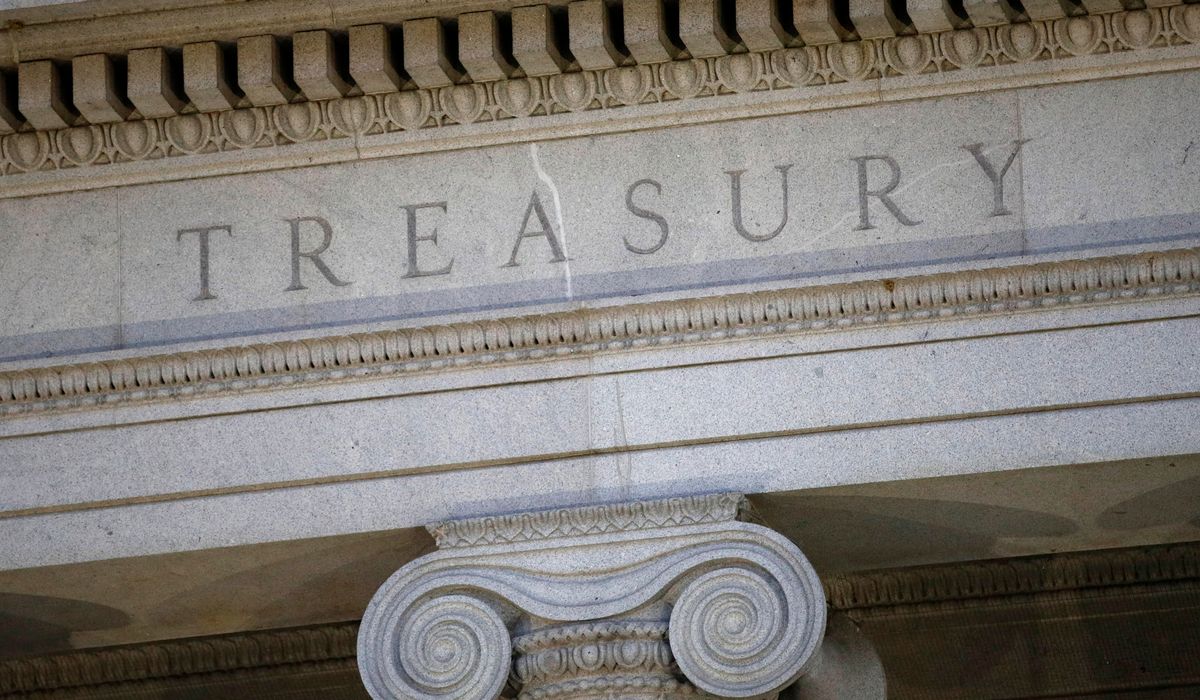
The U.S. Treasury Department targeted several Turkish financial institutions over their ties to Iran as Washington expands its efforts to isolate Tehran economically.
The Treasury’s move to target Turkish banks marks a clear step in a longer campaign to cut off Iran’s access to the global financial system. Officials say the action responds to networks that move money and materials to Tehran, and it signals tougher enforcement ahead. For Republicans, the priority is straightforward: choke off funding for hostile activity and hold foreign actors accountable.
Sanctions and targeting of banks are tools the United States uses to make illicit finance costly and risky. By restricting access to dollar clearing and correspondent relationships, Washington aims to raise the operational cost of transactions tied to Iran. That approach forces intermediaries to choose between maintaining business and running the risk of being blacklisted from major markets.
Turkish financial institutions now face immediate compliance strain and reputational damage from these designations. Even banks not formally named can see correspondent partners pull back, increasing transaction times and compliance checks. The result is a squeeze that affects legitimate trade as well as the illicit flows the Treasury wants to disrupt.
From a policy angle, the move exposes a delicate balance between punishing bad actors and maintaining ties with a NATO ally. Turkey hosts American forces and cooperates on regional issues, yet some financial links to Iran have persisted long enough to draw U.S. action. Republicans generally argue that alliances should not shield irresponsible conduct, and that enforcement must be consistent.
For Tehran, tighter financial pressure complicates the ability to fund proxies, procure restricted goods, and sustain economic levers abroad. Iran’s response has historically included workarounds like barter, using third-country intermediaries, and leveraging non-dollar channels. The Treasury’s targeting attempts to close those options by making intermediaries aware of the risks.
Global banks now face harder choices about correspondent relationships and onboarding practices. Many institutions prefer to avoid even indirect exposure to sanctioned activity, so they de-risk by limiting business with entire sectors or regions. That ripple effect can reduce liquidity for Turkish commerce and push trade into informal or opaque channels, which carries its own risks.
Enforcement relies on intelligence, financial forensics, and pressure on counterparties to cooperate. The U.S. Treasury Department has tools to name-and-shame, freeze assets, and impose penalties, and those tools depend on international partners to be effective. Republicans contend that stronger, faster action and clearer rules for banks are necessary so bad actors cannot hide behind complexity.
The political fallout inside Turkey could be significant because sanctions that touch banking make everyday commerce harder and can feed domestic tensions. Ankara will need to weigh how to respond without severing ties to key trading partners. At the same time, Turkish institutions will have to invest more in compliance and transparency if they want to avoid further penalties.
There are also practical questions about trade in essential goods and humanitarian exceptions, since broad financial restrictions can hinder legitimate transactions. Lawmakers and regulators must craft rules that target illicit finance while allowing humanitarian flows to continue. Republicans tend to favor firm targeting with clear carve-outs that prevent abuse without providing loopholes for evasion.
Ultimately, the Treasury’s targeting of Turkish banks is part of a sustained effort to tighten the financial noose around Iran, and it sends a message to intermediaries worldwide. The U.S. push aims to make doing business with sanctioned networks more trouble than it’s worth, forcing a choice for banks and governments. If enforcement stays consistent and coordinated, the pressure can limit Iran’s options and raise the cost of malign activity in the region.

